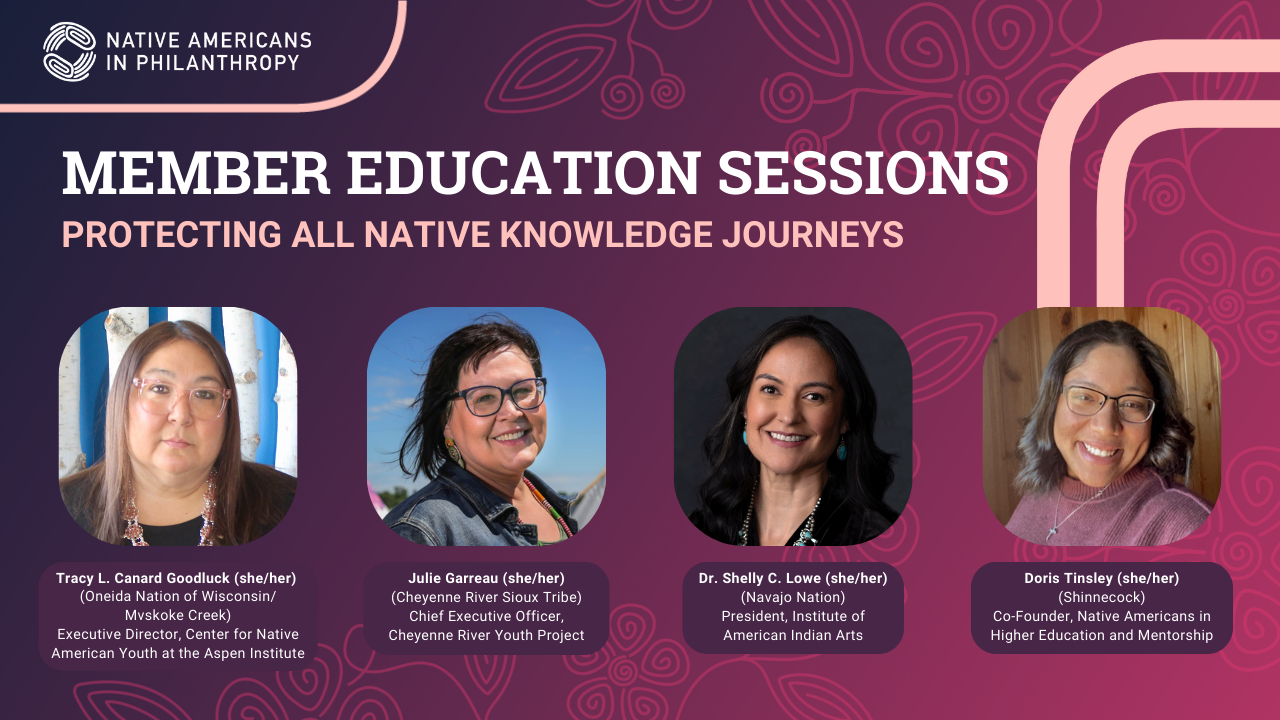
Member Education Sessions: Protecting All Native Knowledge Journeys
Event Description
Education is more than a pathway forward for our communities; it is a bridge between generations, carrying the wisdom of our elders into the future and ensuring our youth are set up to succeed. Native Americans in Philanthropy is honored to hold space for our educators who are protecting the passing on of traditional knowledge and improving access to opportunities across Indian Country. As our Tribal Colleges and Universities face even more drastic underfunding, this moment presents an opportunity for the philanthropic sector to uplift critical community development initiatives.
Watch this very special conversation featuring Dr. Shelly C. Lowe (Navajo Nation), President of the Institute of American Indian Arts; Doris Tinsley (Shinnecock), Co-Founder of Native Americans in Higher Education and Mentorship; Julie Garreau (Cheyenne River Sioux Tribe), CEO of the Cheyenne River Youth Project; and Tracy L. Canard Goodluck (Oneida Nation of Wisconsin/Mvskoke Creek), Executive Director of the Center for Native American Youth at the Aspen Institute as they share how philanthropy can better support thriving Native communities through sustainable education and guidance grounded in our cultural values and traditions.
Watch the broadcast now on NAP’s YouTube Channel and be sure to subscribe to the NAP YouTube channel for more informative and important resources on Native communities.
ADDITIONAL RESOURCES
Center Us - A Native Youth Survey Report (PDF)
AISES - Schools and Educator Support
NAP Blog Post - Announcing 2026 Native Youth Grantmakers
About Our Speakers
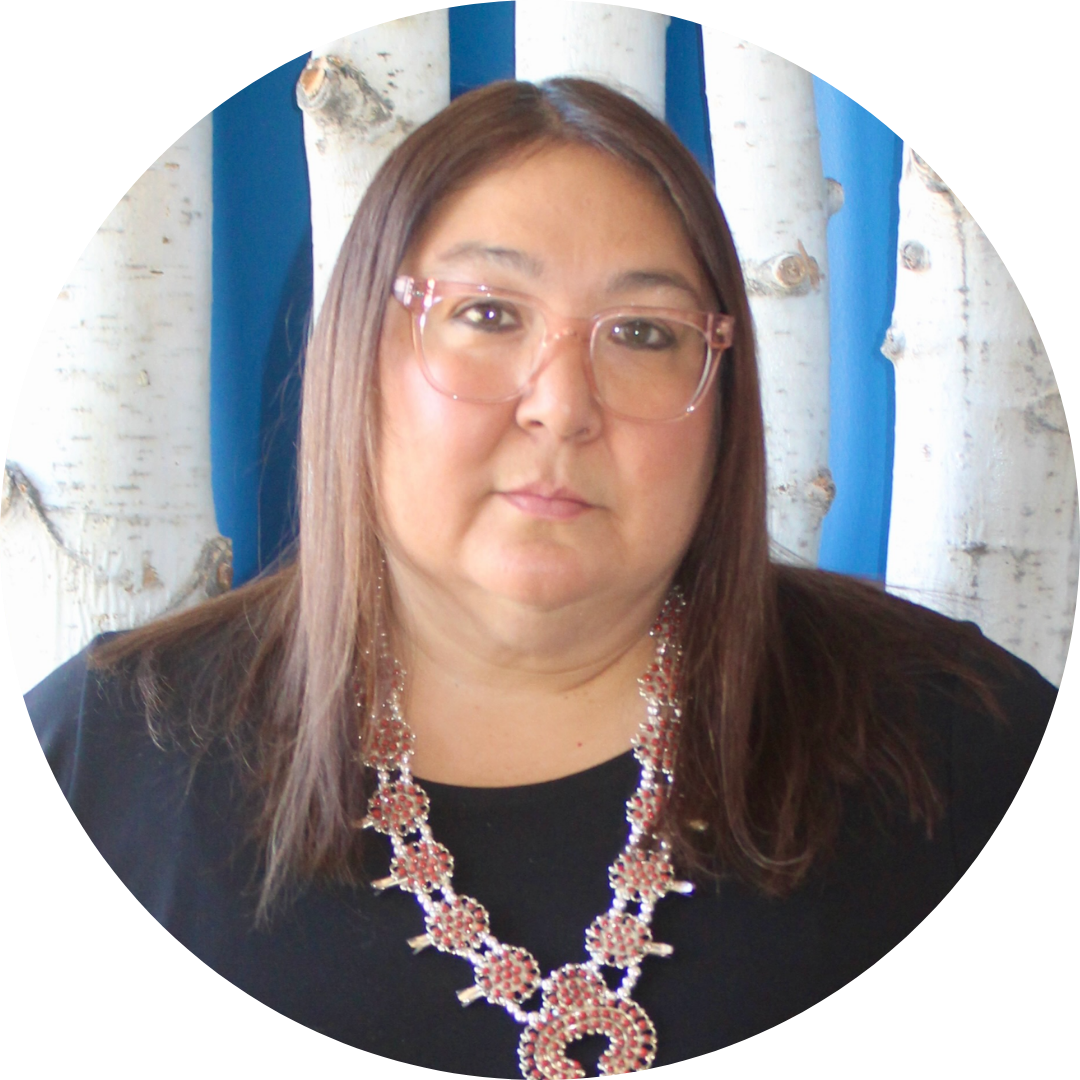
Tracy L. Canard Goodluck (Oneida Nation of Wisconsin/Mvskoke Creek) (she/her)
Executive Director, Center for Native American Youth at the Aspen Institute
View BioTracy L. Canard Goodluck is a proud member of the Oneida Nation of Wisconsin and is also Mvskoke Creek. She comes to CNAY with an extraordinary record of leadership in Indian Country, and a strong vision for expansive and impactful contributions to Native Youth.
Most recently, Tracy was a Presidential appointee and served as the Senior Advisor to the Assistant Secretary for Indian Affairs at the Department of the Interior (DOI). Before that, she helped lead the Tribal Affairs policy portfolio at the Biden White House Domestic Policy Council. She had other important positions relating to Native American issues at the White House and DOI starting in 2014, where she began her federal service as a Presidential Management Fellow. Tracy also co-founded the Native American Community Academy, where she supported Native youth identity through language and culture, holistic wellness and leadership opportunities, and was Director of Organizational Advancement and Youth Initiatives at Americans for Indian Opportunity, each in her hometown of Albuquerque. She has also been a classroom teacher on the Navajo, Hopi and Tulalip reservations.
Tracy has a JD and a Certificate in Indian Law from the University of New Mexico, two master’s degrees in education and graduated from Dartmouth College in Sociology with an emphasis in Native American Studies. A longtime collaborator and friend of CNAY, Tracy first became acquainted with the program in 2015 during its collaborative work on Generation Indigenous (Gen-I), headed by the Obama Administration. Since then, she has worked with CNAY youth on the White House Tribal Youth Gatherings, and as host of Champions for Change and Remembering Our Sisters cohorts at DOI.
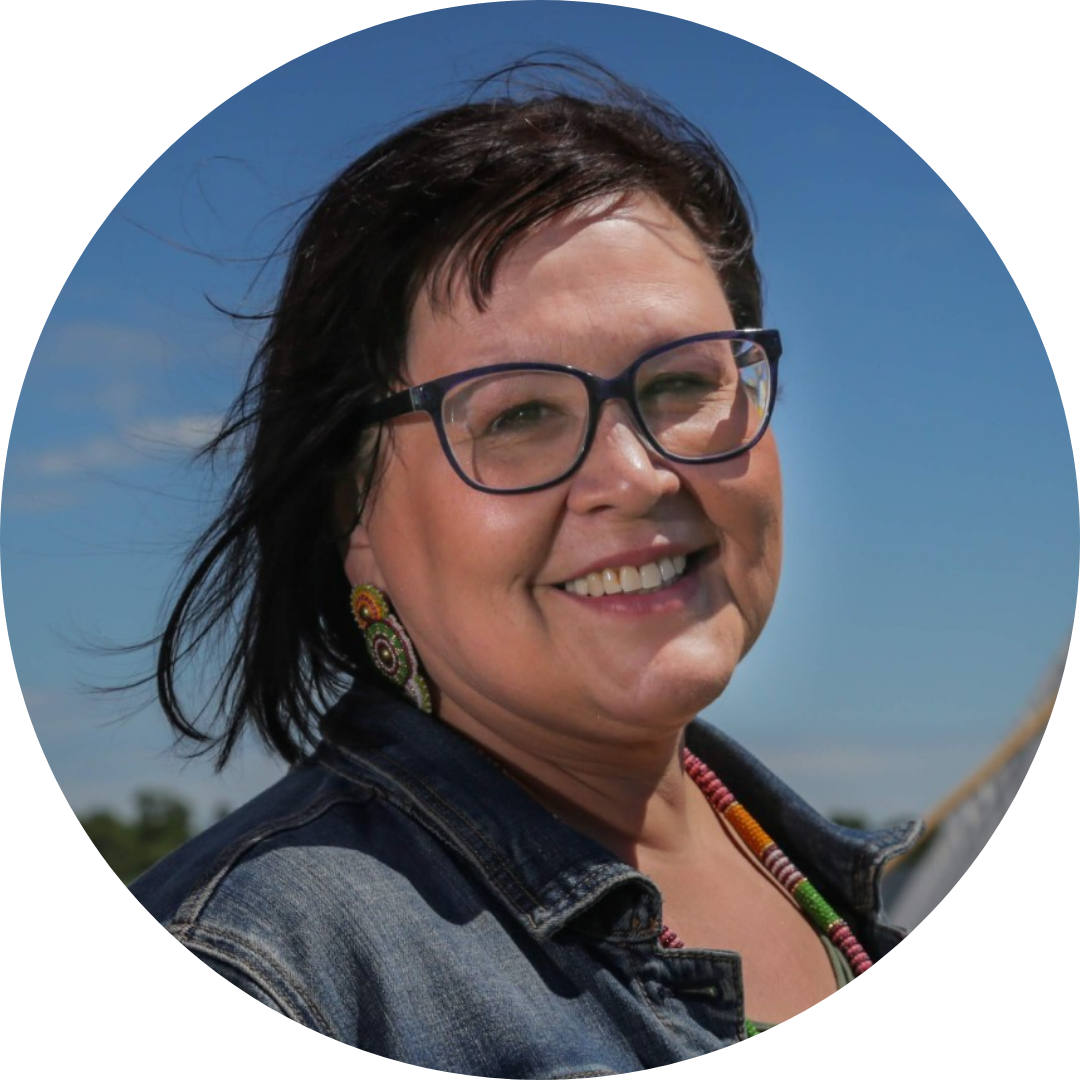
Julie Garreau (Cheyenne River Sioux Tribe) (she/her)
CEO, Cheyenne River Youth Project
View BioAn enrolled member of the Cheyenne River Sioux Tribe, Julie Garreau (Lakota name Wičhaȟpi Epatȟaŋ Wiŋ / Touches the Stars Woman) is chief executive officer of the nonprofit Cheyenne River Youth Project in Eagle Butte, South Dakota. Since 1988, she has overseen CRYP’s evolution from a small youth center to a 5-acre campus that includes youth and teen centers, arts and culture institute, art park, garden, and social enterprises; she also recently oversaw the addition of a CRYP employee housing development in Eagle Butte and a nearly 40-acre property adjacent to sacred Bear Butte that will be used for cultural programming.
In addition to completing several high-profile fellowships over the years, Julie has been recognized with such prestigious awards as the Bush Prize for Innovation, Spirit of Dakota Award, Presidential Points of Light Award, Tim Wapato Public Advocate of the Year Award, and Americans for the Arts’ Selena Roberts Ottum Award for Arts Leadership.
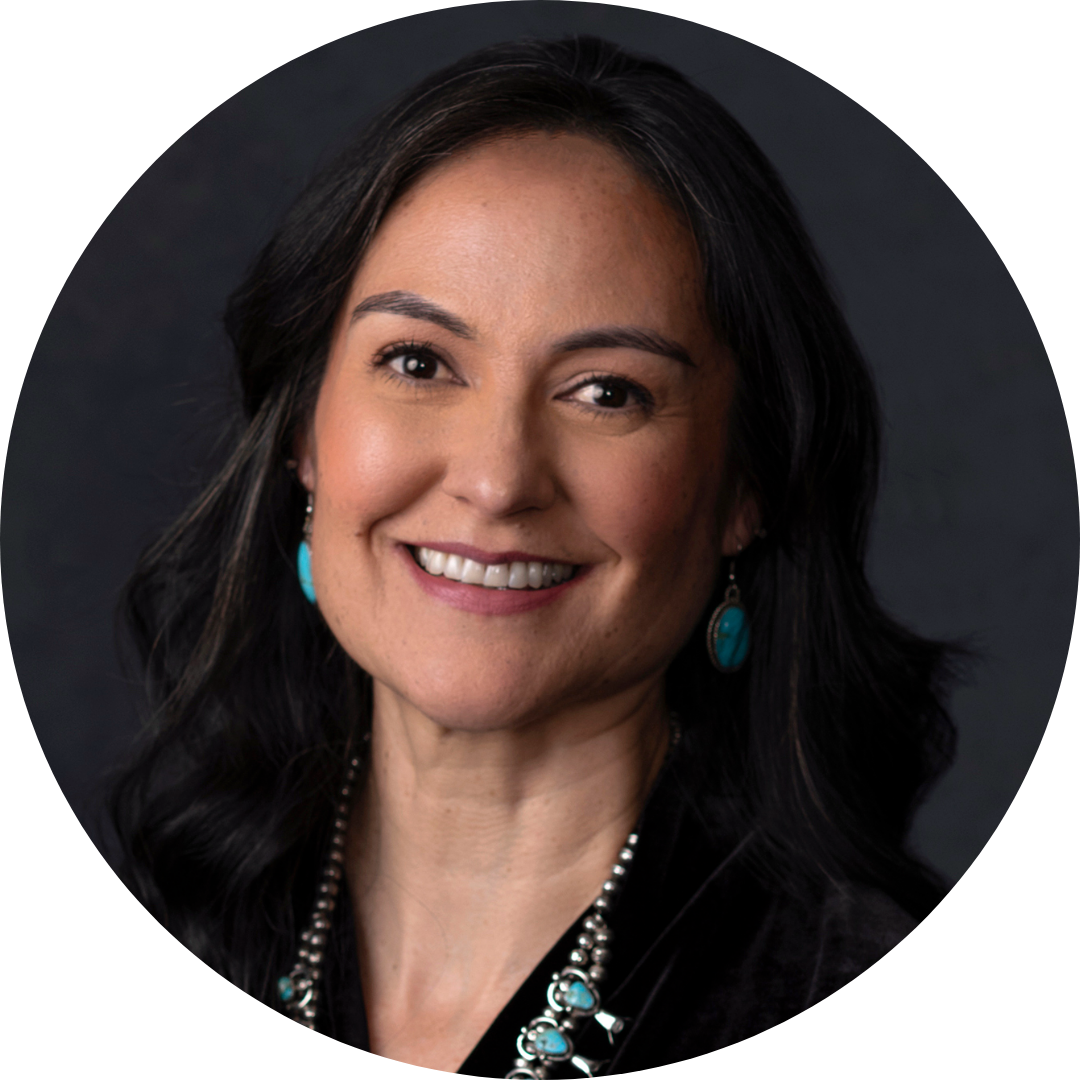
Dr. Shelly C. Lowe (Navajo Nation) (she/her)
President, Institute of American Indian Arts
View BioDr. Lowe has served in a variety of leadership roles nationally, most recently as Chair of the National Endowment for the Humanities under the Biden-Harris Administration. Prior to serving as Chair, she served six years as a member of the National Council on the Humanities, an appointment she received from President Obama. Other roles include serving as a member of the University of Arizona Alumni Association Governing Board and as a member of the Challenge Leadership Group for the MIT Solve Indigenous Communities Fellowship. She has also served on
the board of the National Indian Education Association and as a Board of Trustee for the National Museum of the American Indian. She holds a Bachelor of Arts in Sociology, a Master of Arts in American Indian Studies, and a Doctor of Philosophy in Education
Leadership and Policy Studies from the University of Arizona.
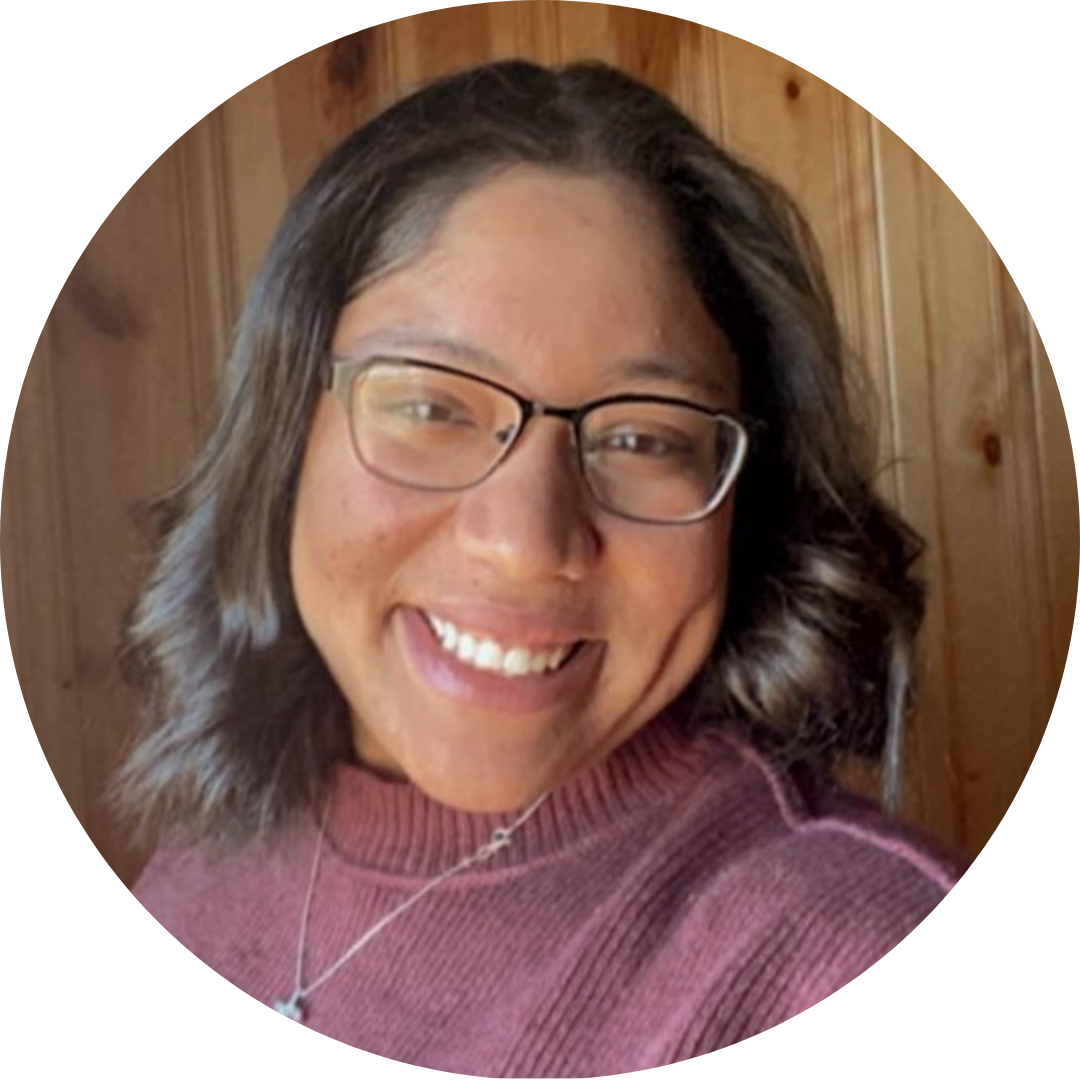
Doris Tinsley (Shinnecock) (she/her)
Co-Founder, Native Americans in Higher Education and Mentorship
View BioA graduate of Virginia Tech and current Master of Tribal Administration and Governance candidate at the University of Minnesota Duluth, Doris is deeply committed to protecting traditional knowledge and advancing Indigenous-led models of education and leadership.
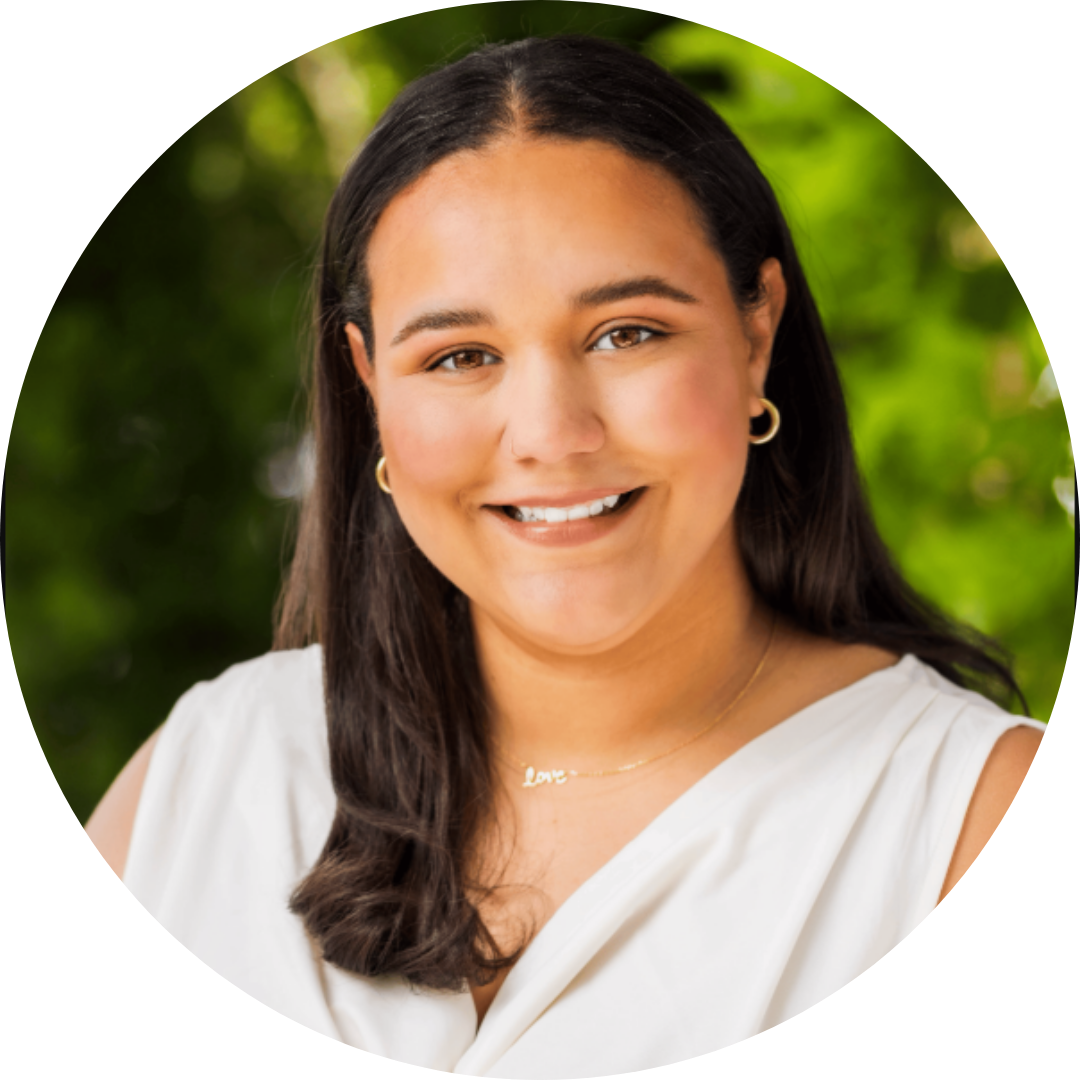
Savannah Baber (Chickahominy Indian Tribe and the Lumbee Tribe of North Carolina) (she/her)
Program Manager for Indigenous Leadership Initiatives, Native Americans in Philanthropy
View BioSavannah earned her B.A. in English and Politics at Wake Forest University in Winston-Salem, NC, and she remains a proud Demon Deacon even though she is currently pursuing a Master of Public Administration degree at the University of North Carolina-Chapel Hill. Go Deacs, always/Go Heels, sometimes!
Savannah previously worked at Wake Forest as the Assistant Director for the university's Intercultural Center, and she loved producing co-curricular programming for students. Most recently, Savannah was the Virginia Indian Program Coordinator at Virginia Humanities; in that role, she enjoyed partnering with the tribal nations across the state to promote, preserve, and produce indigenous knowledge.
Outside of work, Savannah enjoys traveling, going to brunch with friends, and watching bad (but really good) reality TV. She resides in Winston-Salem, NC and insists that it's the most underrated city in the state.
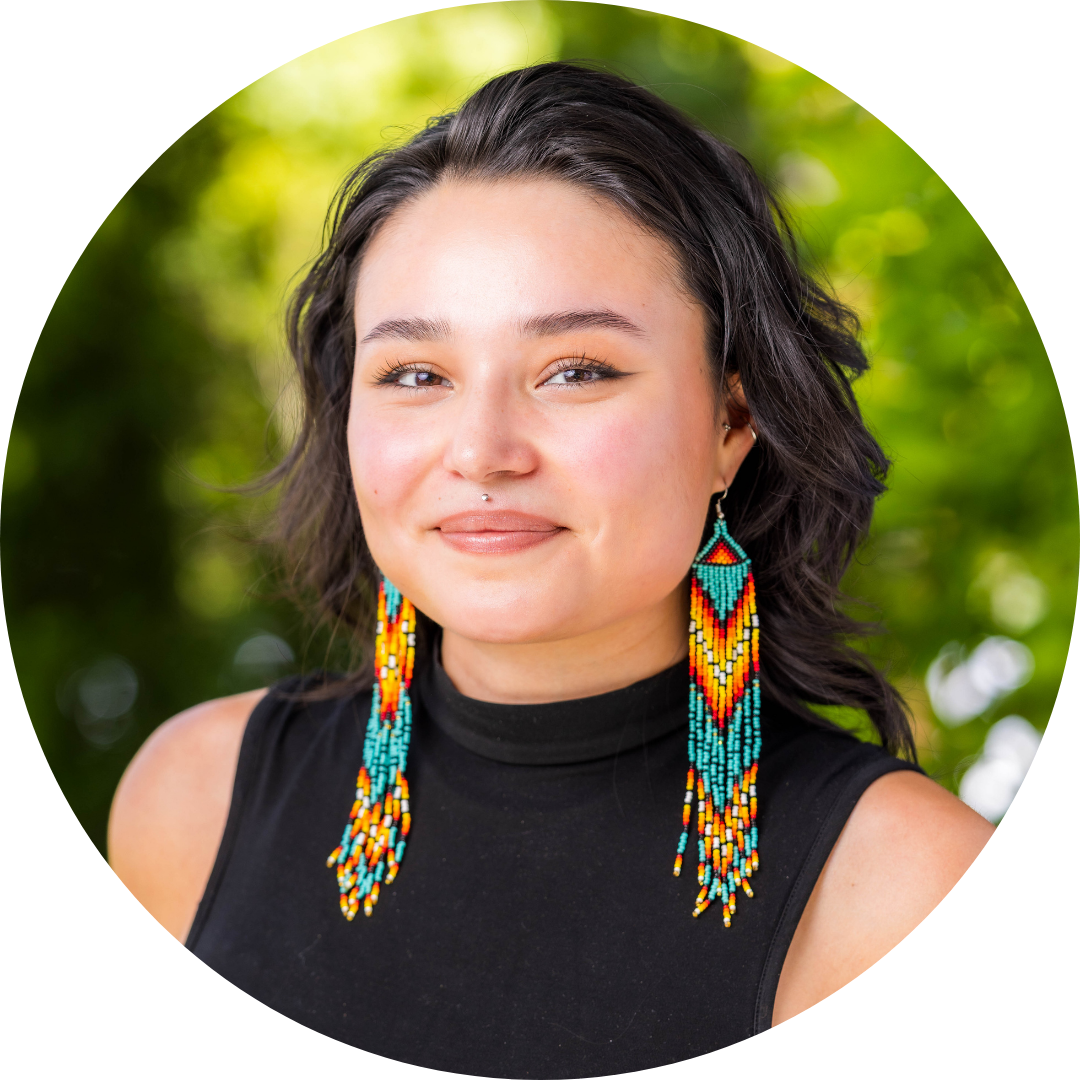
Shandiin Vandervere (Diné) (she/her)
Education Programs Manager, Native Americans in Philanthropy
View BioShandiin was born and raised on Diné Bikeyah, filtering through many different towns on the Navajo Nation during her childhood. She currently lives on traditional Ohlone and Esselen lands, now recognized as the Monterey Bay in California.
Her community has guided her professional work, where she has focused on supporting Indigenous-led nonprofits in communication and development roles, working with grassroots organizations like Yee Há’olníi Dóo or larger legacy organizations like the Association on American Indian Affairs.
With a deep appreciation for traveling and learning from new perspectives, she is grateful to have spent three years studying in France for her Bachelor of Arts in journalism and global communications. She continues to freelance as a journalist with work published through Navajo Times, Peacock Plume, and Changing Womxn Collective.
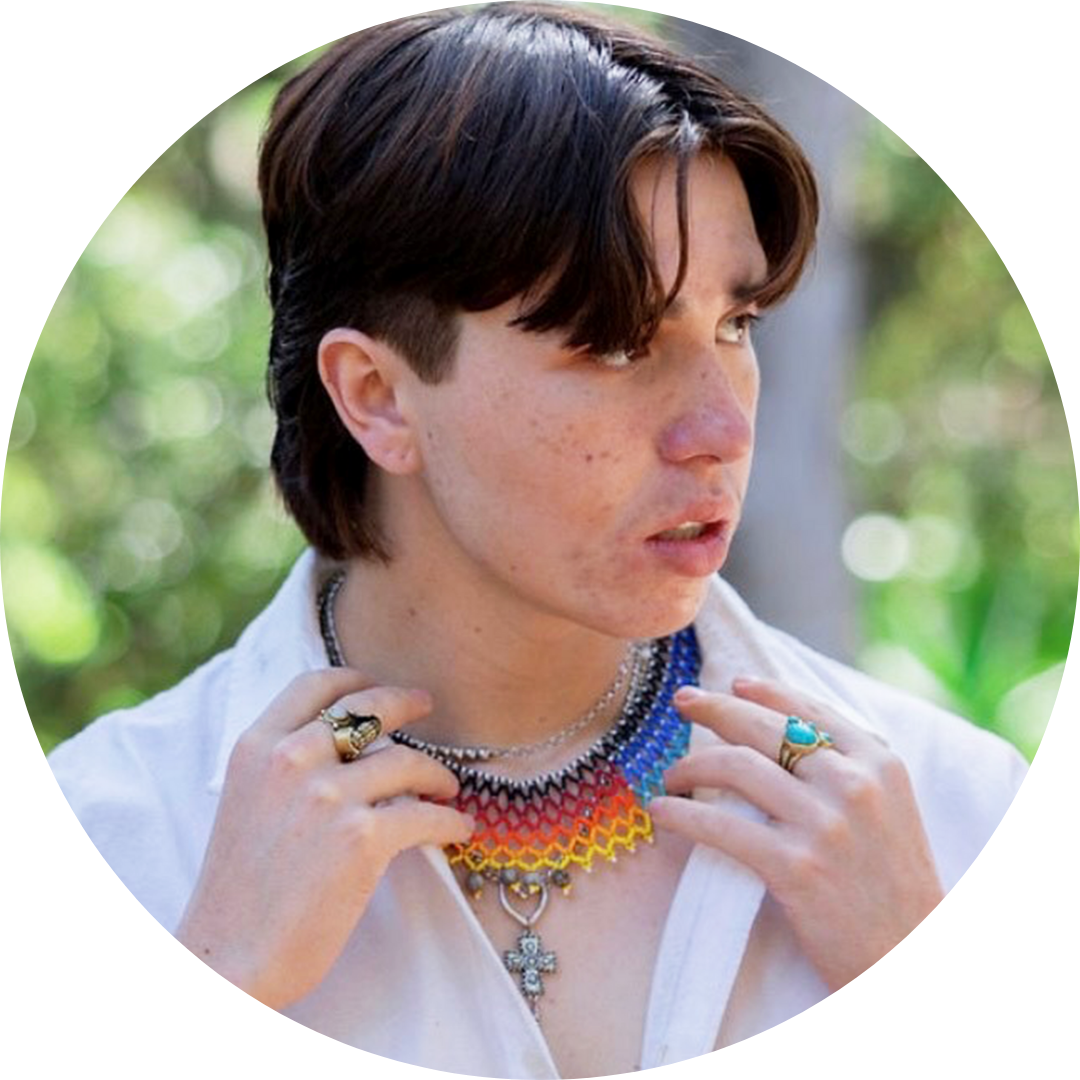
Anagali Duncan (Cherokee Nation) (he/him)
Native Youth Grantmaker, Native Americans in Philanthropy
View BioAnagali Duncan is a first-generation Native scholar from Stilwell, Oklahoma, on the Cherokee Reservation. Raised in a close-knit community with deep cultural roots, he has long been committed to serving Indigenous communities and amplifying Native
voices. His academic work explores tribal sovereignty, Indigenous law, and public policy, reflecting his dedication to combining scholarship with community advocacy.
At Stanford University, where he studies Comparative Studies in Race and Ethnicity with a focus on Politics, Policy, and Equity, and is graduating with Honors in Democracy, Development, and the Rule of Law, Anagali has distinguished himself through rigorous research and leadership. He is a Mellon Mays Undergraduate Fellow, Udall Fellow, Yale Author and Liman Public Interest Law Fellow, Dreamstarter Fellow, and a participant in programs such as the Harvard Kennedy School Public Policy Leadership Conference and Stanford in Government. He has collaborated on research programs at Harvard Forest, Yale, Brown University, and Stanford’s Freeman Spogli Institute, focusing on tribal governance, and has presented his findings at conferences including the Ecological Society of America and the National Office of Juvenile Justice and Delinquency Prevention Convention.
Beyond academia, Anagali has engaged in public policy and youth leadership initiatives, speaking at forums including the United Nations and the White House. He has organized environmental justice campaigns and helped pass three policy proposals with the American Bar Association. His honors thesis examines the political-economic and legal relationship between the Tribes in Oklahoma, bridging history, policy, and community impact.
Anagali’s leadership is marked by humility, cultural integrity, and a commitment to actionable change. He aims to pursue advanced study in law, public policy, and public affairs, combining research expertise with advocacy to support Indigenous governance, legal reform, and public interest work.
Stories & Updates
Changing the conversation.Get the latest NAP news.
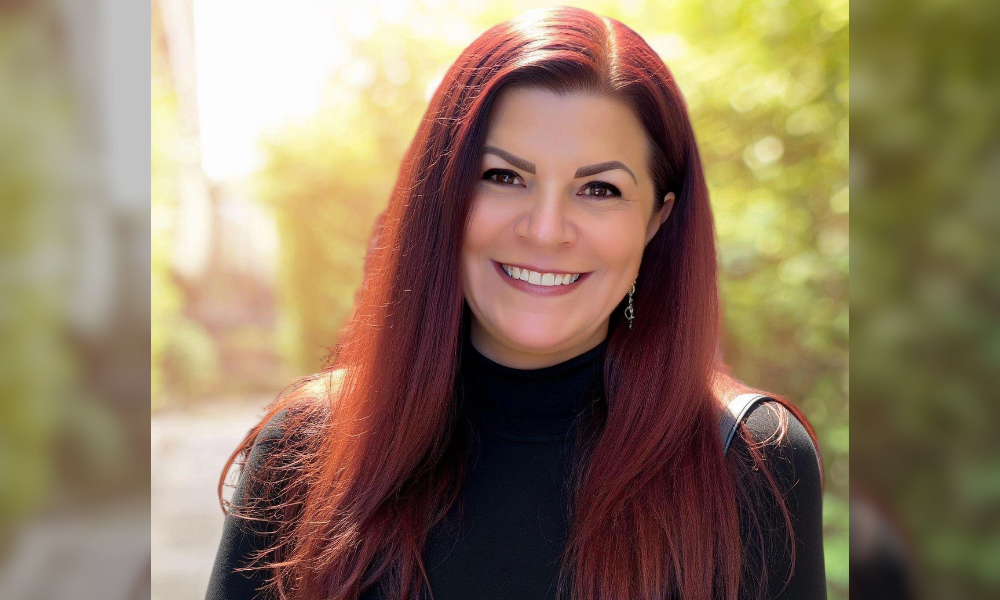
NAP Welcomes Sarah EchoHawk as Managing Director
We are excited to welcome Sarah EchoHawk (Pawnee) as the Managing Director of Native Americans in Philanthropy.
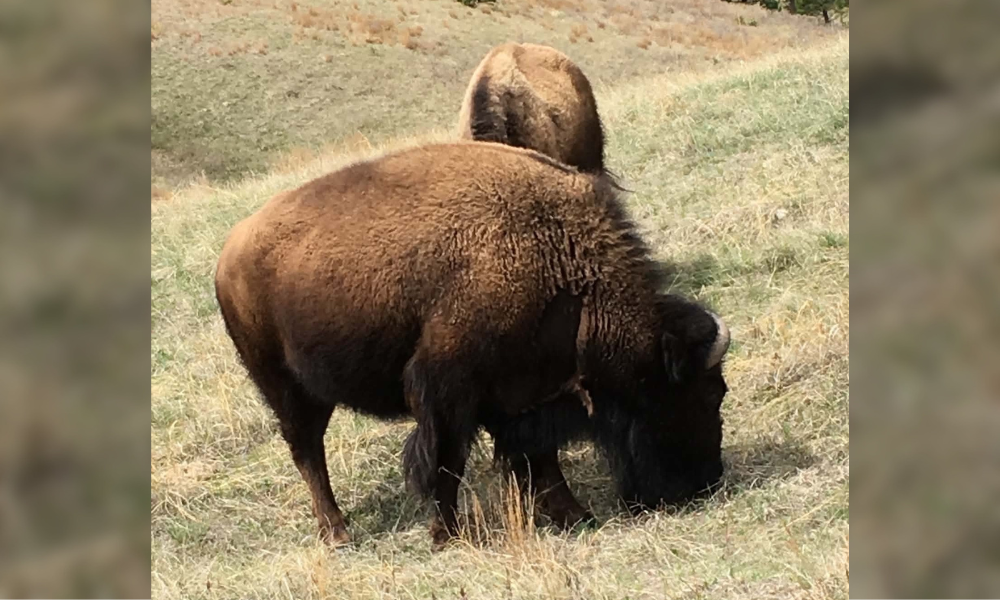
Restoring Buffalo, Restoring a Way of Life: The Knife Chief Buffalo Nation Society
The Lakota philosophy continues through the work of the Knife Chief Buffalo Nation Society, a community-led effort restoring buffalo, culture, spirituality, and connections between generations.
.jpg)
Indigenous Tomorrows Fund Expands in Year Two With $1.65 Million Investment in Youth-Led Grantmaking
Native Americans in Philanthropy, Newman’s Own Foundation, and Novo Nordisk are thrilled to announce the recipients of the 2025 Indigenous Tomorrows Fund (ITF) grants.
.jpg)
The Indigenous Tomorrows Fund: 2026 Grant Applications Now Closed!
Native Americans in Philanthropy, Newman’s Own Foundation, and Novo Nordisk are thrilled to announce the recipients of the 2025 Indigenous Tomorrows Fund (ITF) grants.
.jpg)
Native Youth Grantmakers at NAPCON26
The 2026 Native Youth Grantmakers (NYG) convened together for the first time on the homelands of our Coast Salish relatives. Beyond gaining new relatives and networking at every turn, the retreat’s agenda included courses in personal development, cultural grounding, and exploring each participant’s role as members of their respective communities and their new place within the philanthropic sector.
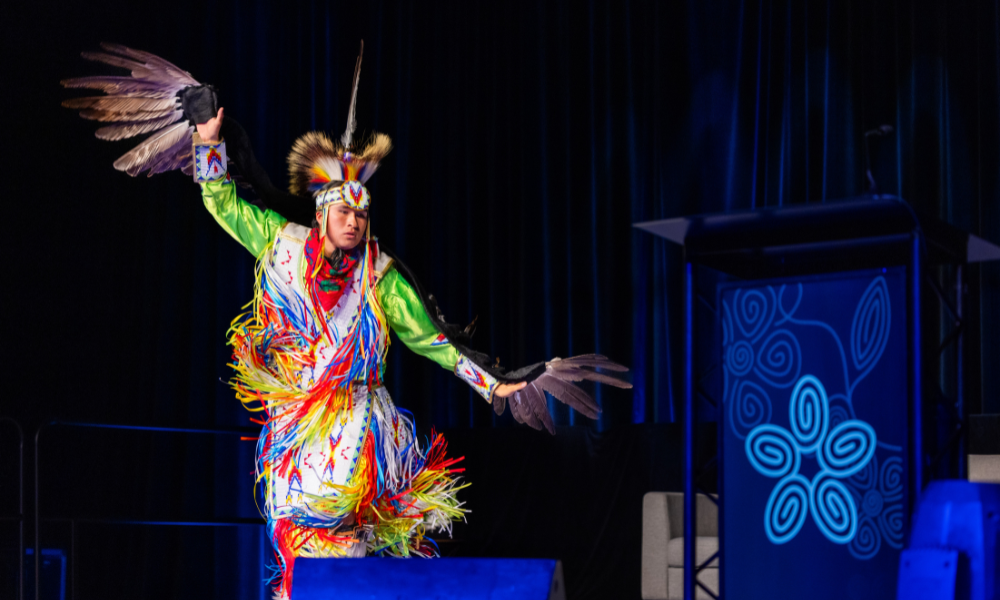
NAPCON26: Highlights From Our 2026 Annual Conference
Over three days in Riverside, California, Native leaders, funders, organizers, and community members gathered for the Native Americans in Philanthropy 2026 Annual Conference.
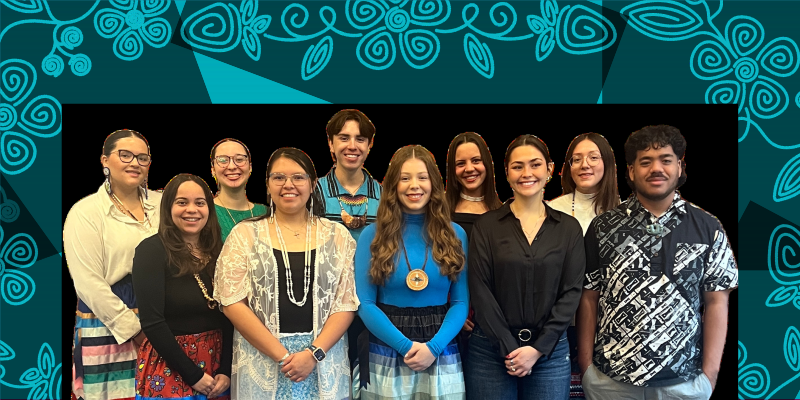
Native Youth Grantmakers in Seattle
The 2026 Native Youth Grantmakers (NYG) convened together for the first time on the homelands of our Coast Salish relatives. Beyond gaining new relatives and networking at every turn, the retreat’s agenda included courses in personal development, cultural grounding, and exploring each participant’s role as members of their respective communities and their new place within the philanthropic sector.
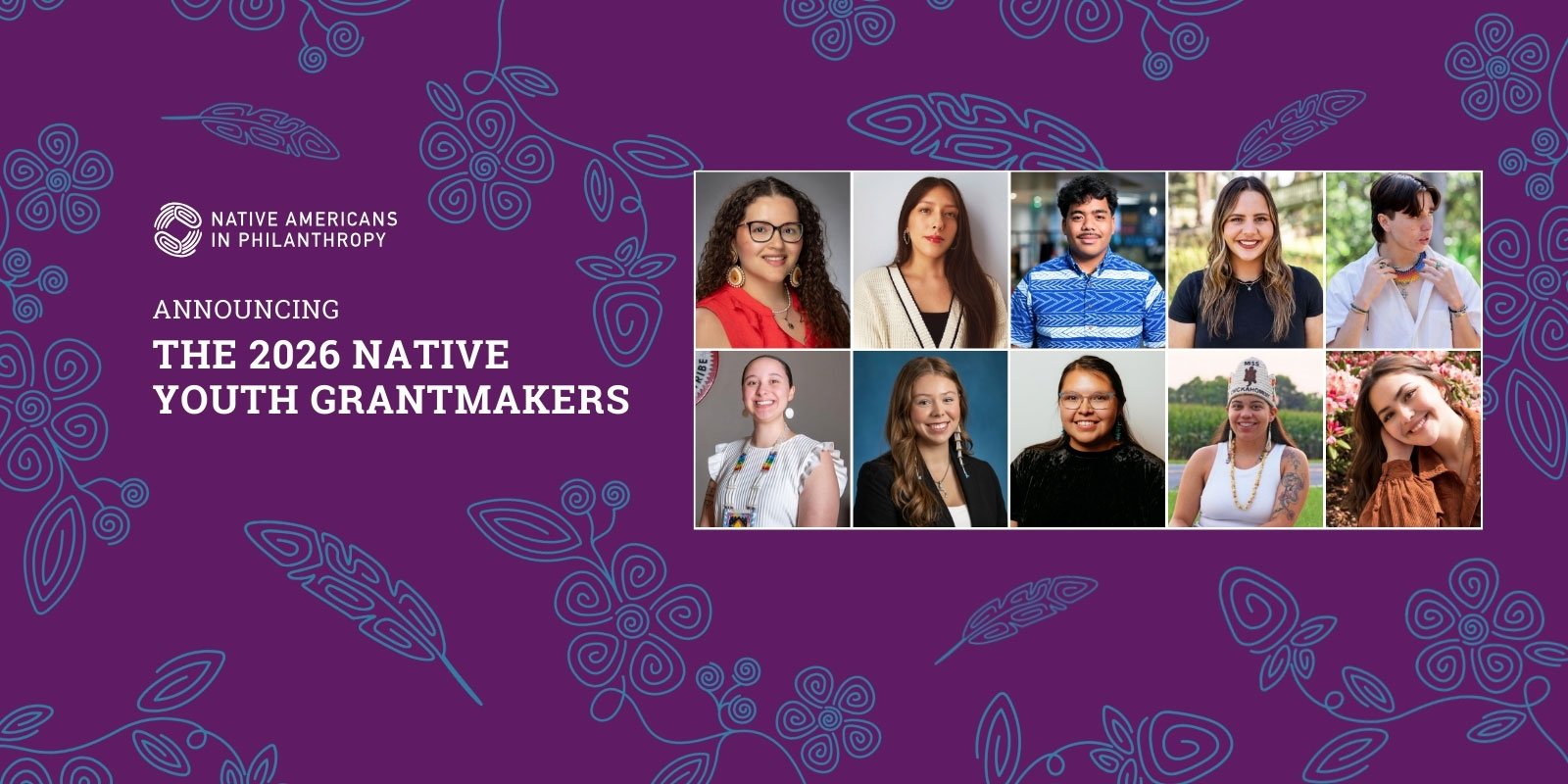
Native Americans in Philanthropy Announces Third Cohort of Native Youth Grantmakers
Native Americans in Philanthropy (NAP) is thrilled to announce the 2025-2026 Native Youth Grantmakers. These extraordinary and highly accomplished young individuals are the embodiment of passion, excellence, and a deep commitment to making a positive difference in their communities. As we welcome this new cohort, we celebrate their achievements, their futures, and their dedication to advancing Native-led philanthropy.
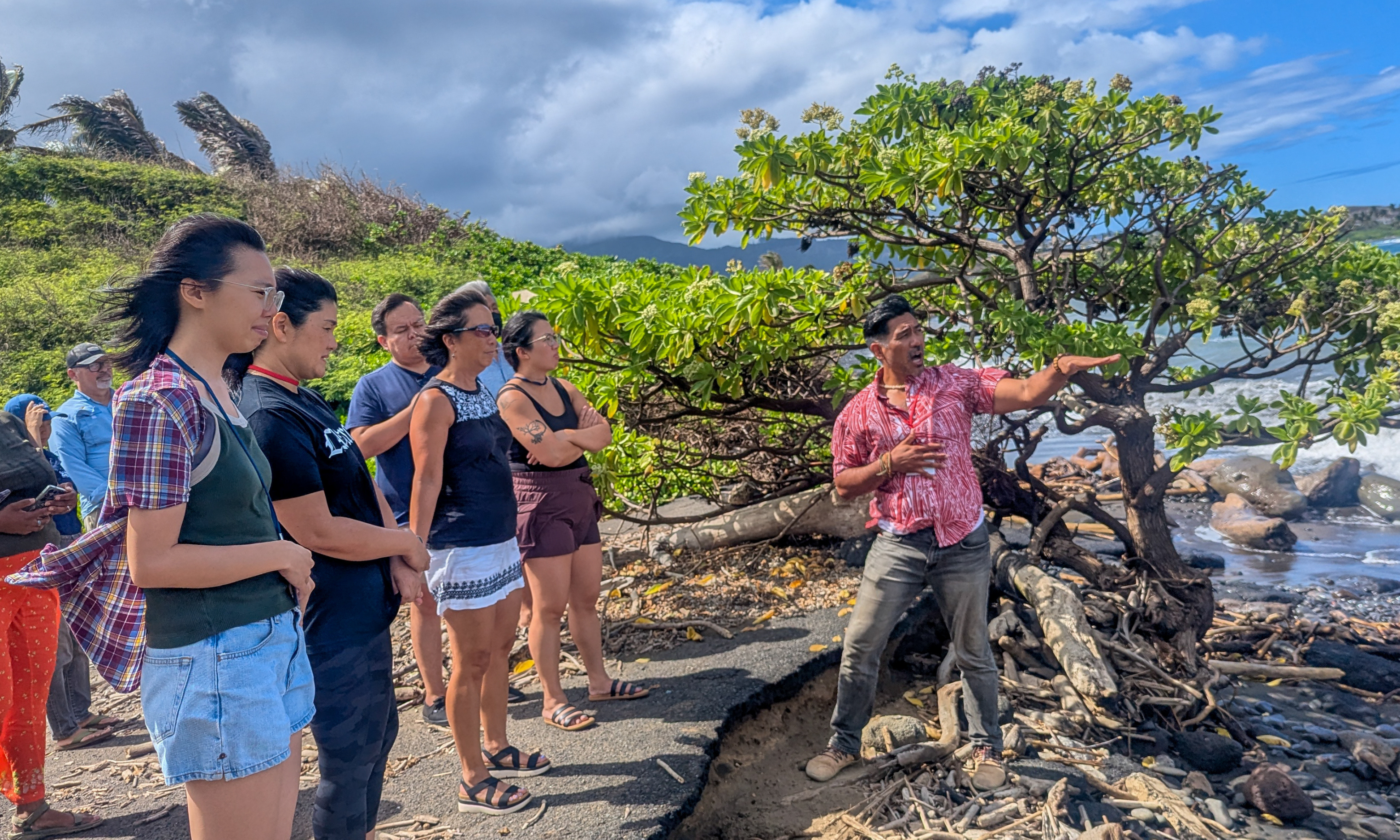
Standing Hand-in-Hand: Reflections on Reclamation, Partnership, and Possibility in Hawaiʻi
Native Hawaiian Philanthropy, Native Americans in Philanthropy, and Asian Americans/Pacific Islanders in Philanthropy came together for the Power in Solidarity: Hawaiʻi Funder Tour