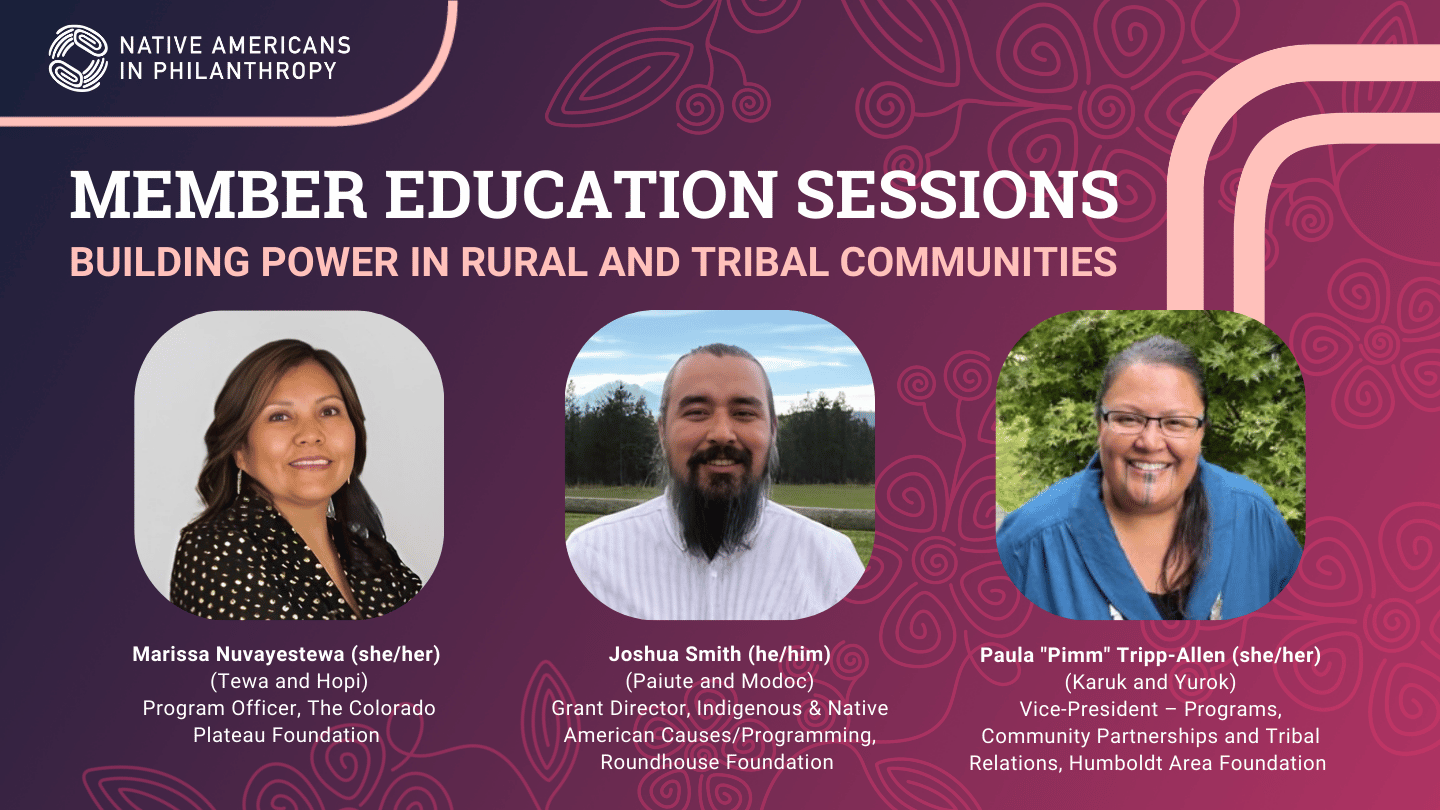
Member Education Sessions: Building Power in Rural and Tribal Communities
Event Description
How do geography, culture, capacity, and history shape funding realities? Join Native Americans in Philanthropy as we welcome foundation leaders from across Turtle Island to explore these issues and the unique needs of our rural and Tribal communities.
As climate disruptions intensify, rural and Native Nations are often the first to experience their most severe impacts. Our speakers will discuss how the philanthropic sector can reinforce community resilience, safeguard land and water, and support the traditional stewards who care for these regions.
Through place-based funding and building genuine, long-lasting partnerships with local community leaders, philanthropy can play a vital role in meeting the enduring needs of these communities. Many Tribal and rural regions continue to face significant gaps in transportation, healthcare, digital connectivity, and other essential systems. Our Member Education Session will highlight innovative approaches communities are using to bring critical services closer to home, whether through mobile solutions, community-run hubs, or partnerships tailored to local landscapes.
Join Marissa Nuvayestewa (Tewa and Hopi), Program Officer at the Colorado Plateau Foundation; Joshua Smith (Paiute and Modoc), Grant Director of Indigenous & Native American Causes/Programming at the Roundhouse Foundation; and Paula “Pimm” Tripp-Allen (Karuk and Yurok), Vice President of Community Partnerships and Tribal Relations at Humboldt Area Foundation and Wild Rivers Community Foundation for a powerful conversation about what community and economic development success looks like on their own terms.
To continue learning, please explore these additional resources:
A Guide to Working with Rural Philanthropy (PDF)
10 Principles for Rural Philanthropic Engagement
Colorado Plateau Foundation Slides (PDF)
Watch the broadcast now on NAP’s YouTube Channel and be sure to subscribe to the NAP YouTube channel for more informative and important resources on Native communities.
ABOUT THE SERIES
Native Americans in Philanthropy welcomes you to engage in a gathering of nonprofits, philanthropy, emerging leaders, and Indigenous communities for discussions and collaborative action for building philanthropy rooted in Native traditions and values.
Our curated education sessions of virtual conversations, panels, and speakers represent the diversity of Indian Country, the experiences of Indigenous Peoples in America, and the allies that are working to support these communities. These sessions are designed for NAP members working in philanthropy and will focus on how philanthropy can operate differently to center Indigenous perspectives and values.
Through these sessions, NAP is passing the mic to individuals, Tribes, and Indigenous nonprofits who are experts in their respective fields. This intentional platform will foster an informed membership that will lead the shifting of the philanthropic sector in deeper, more impactful ways that serve the people, communities, and causes they care about.
About Our Speakers
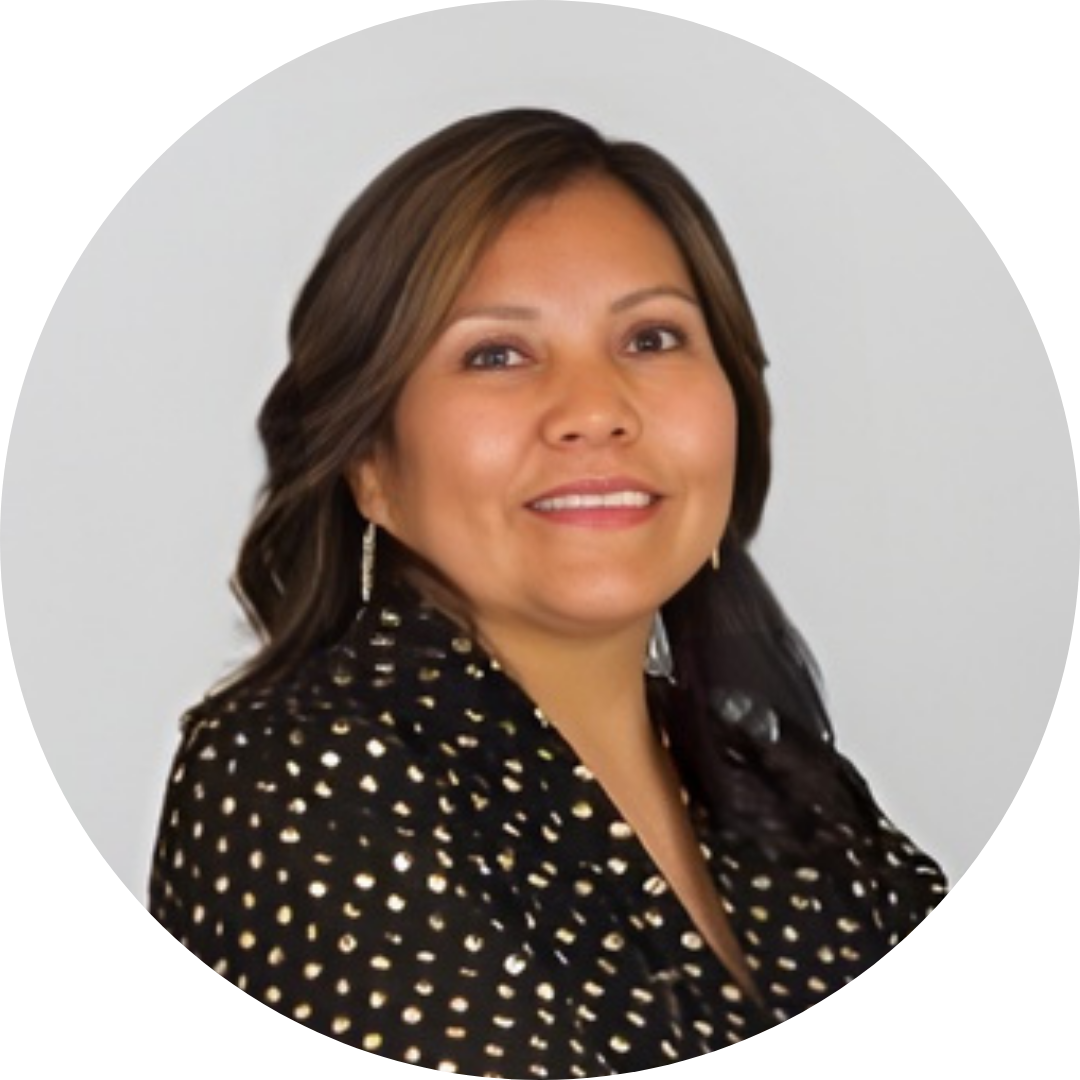
Marissa Nuvayestewa (Tewa and Hopi) (she/her)
Program Officer, The Colorado Plateau Foundation
View BioShe has supported Native-led and non-native nonprofits and foundations in various roles, including serving on boards, providing technical assistance to help launch nonprofit organizations, fundraising, connecting resources, and advisory support, resulting in five new giving strategies to increase general operating support Native communities within the region, the state of Arizona, and at the national level.
Marissa earned her Master’s Degree in Social Work, specializing in Social and Economic Development in Native American Communities, from Washington University in St. Louis’ George Warren Brown School of Social Work. Her professional background includes facilitation, strategic planning, board development, fundraising, program evaluation, and research. Outside of work, she enjoys harvesting local edible plants, walking local trails, and fishing.
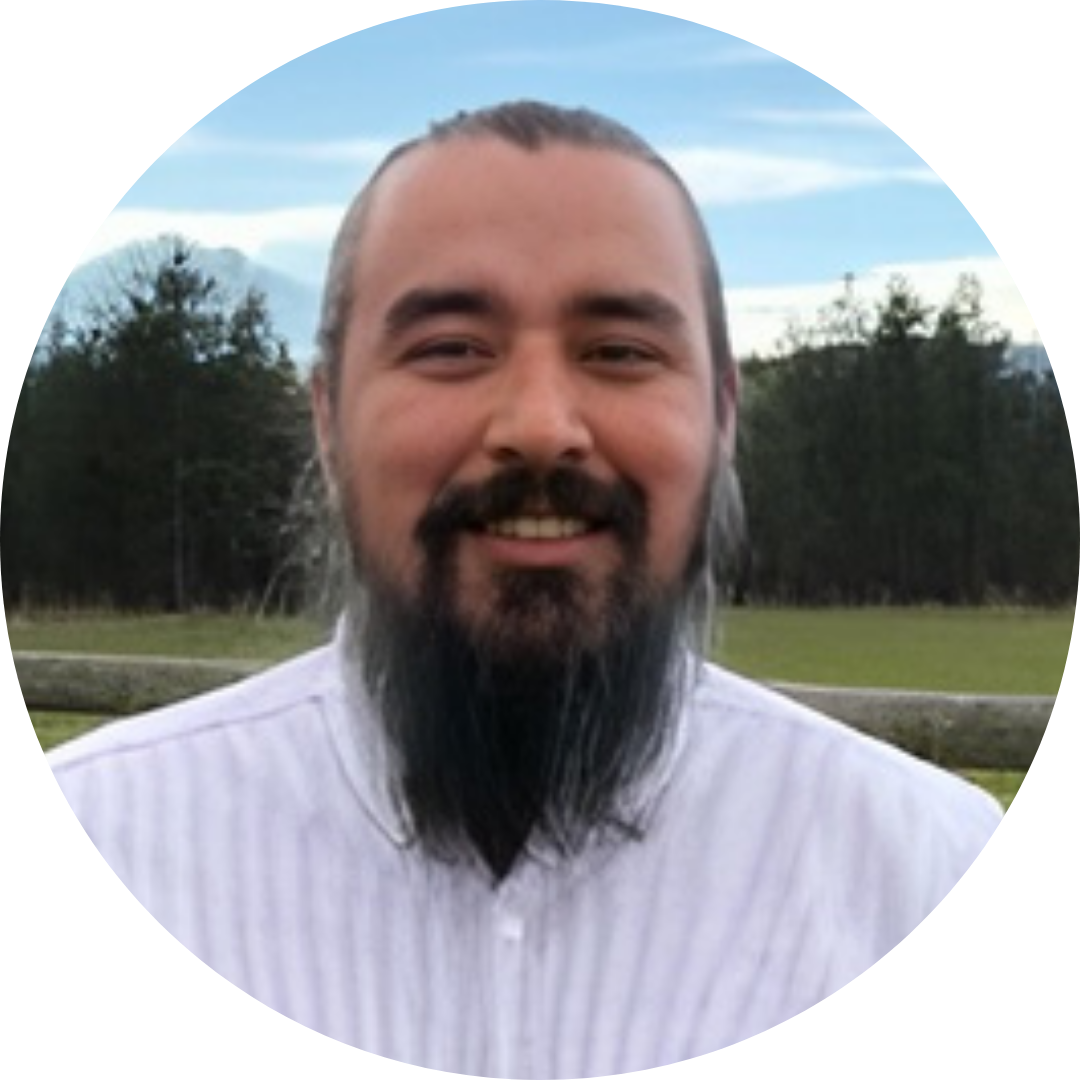
Joshua Smith, MPH (Paiute and Modoc) (he/his)
Grant Director, Indigenous & Native American Causes/Programming, Roundhouse Foundation
View Bio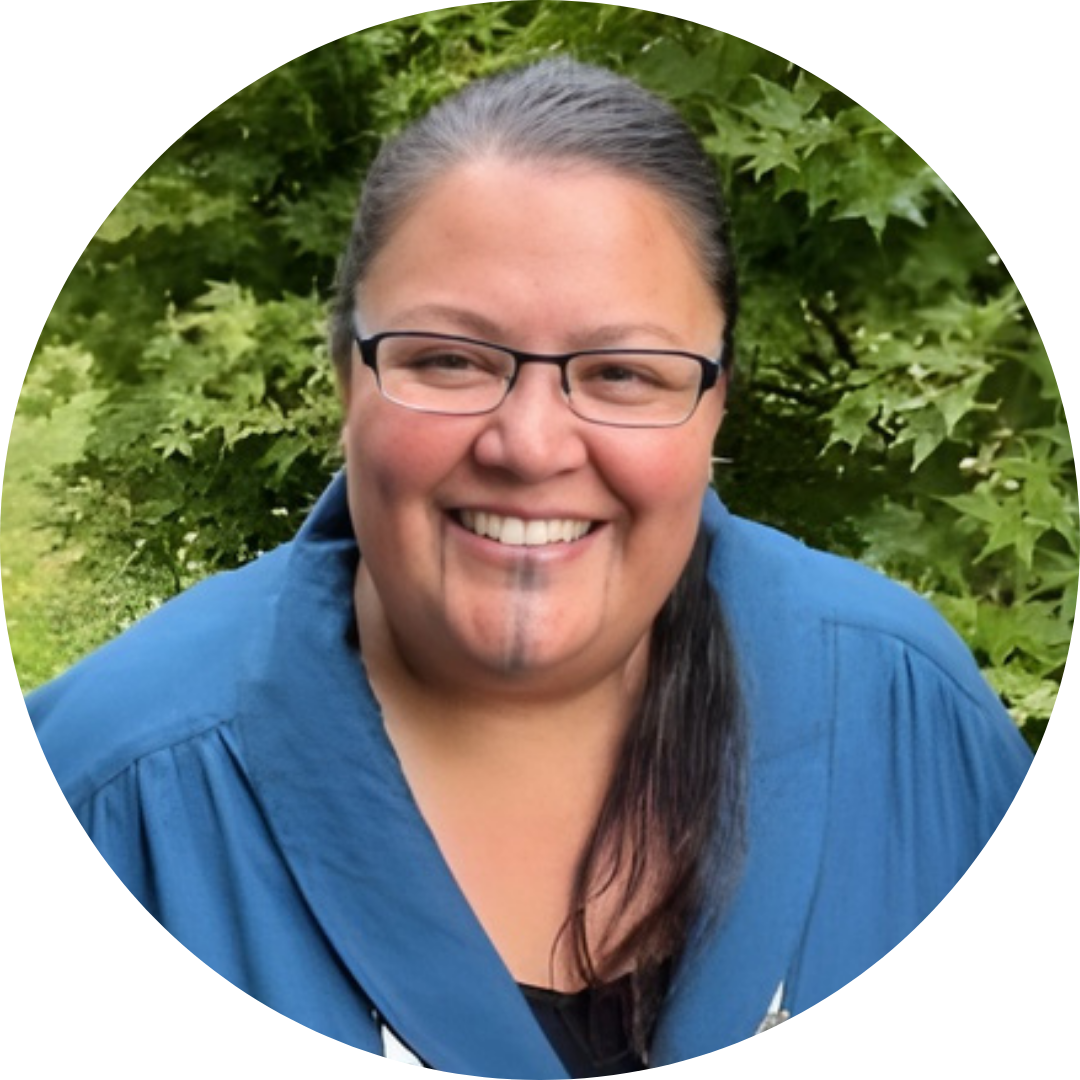
Paula "Pimm" Tripp-Allen (Karuk and Yurok) (she/her)
Vice-President – Programs, Community Partnerships and Tribal Relations, Humboldt Area Foundation
View BioOne of my early jobs was as a Community Coordinator with the program that is now known as the Native Cultures Fund, so I have been honored to be associated with the Foundation since 2000. I spent the next two decades working in support of community wellness through programs in higher education, arts and culture working with both United Indian Health Services, Inc. (UIHS) and the Indian Tribal Education and Personnel Program (ITEPP). During this time, I was also fortunate to serve on a number of Boards for local and statewide non-profits organizations, including Boards of both the Humboldt Area Foundation and the Advisory Council for the Native Cultures Fund.
In my new role, I am enthusiastic about the opportunity to support efforts to increase and strengthen relationships between the area’s first peoples and the people that have chosen to call this region their home. There is something special about this place we all call home and finding the things we collectively believe in as we work towards our goal of a thriving, just, healthy and equitable region is work I feel humbled and gratified to be a part of both personally and professionally.
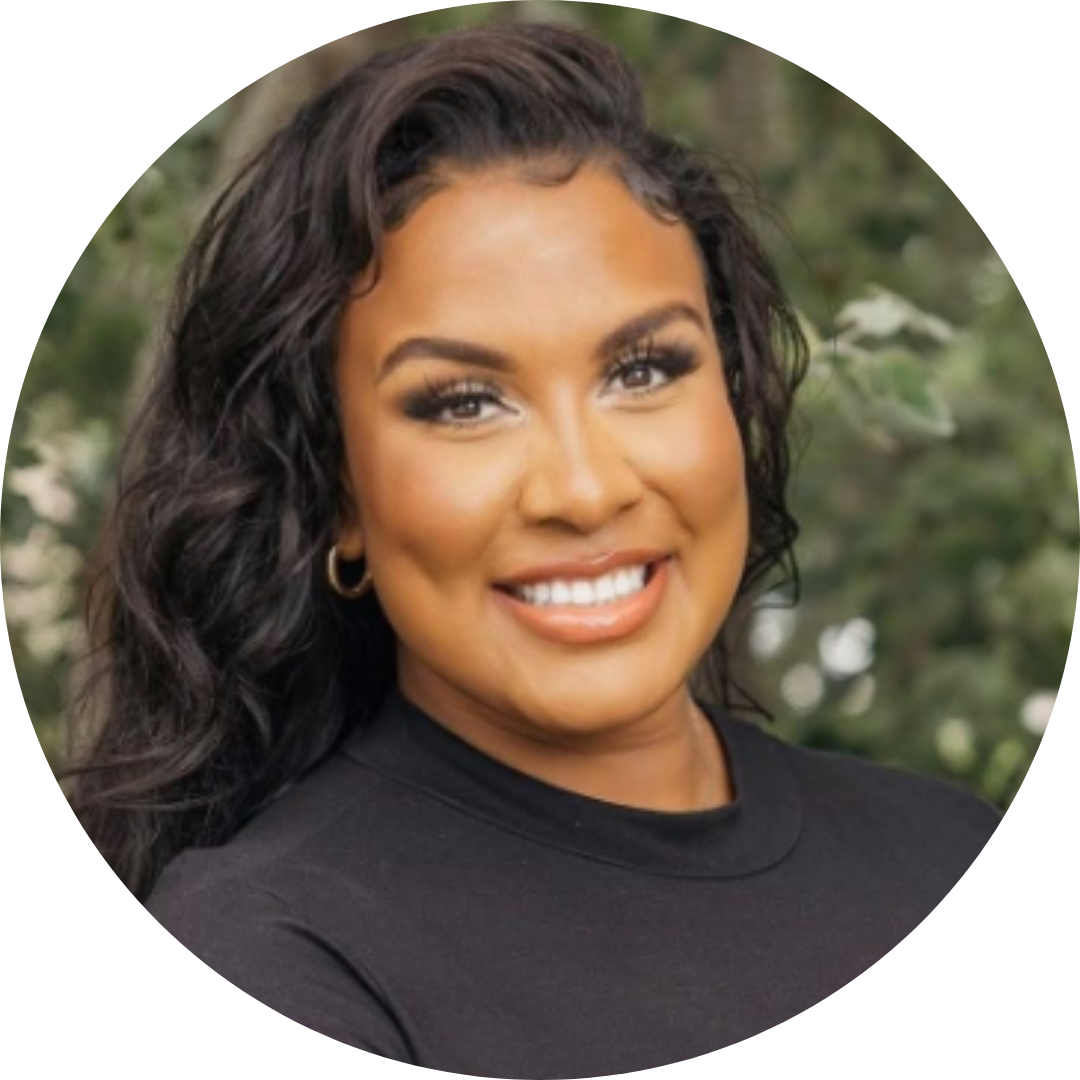
Shaina Johnson (Oglala Lakota) (she/her)
Community Foundation Regional Coordinator, Native Americans in Philanthropy
View BioBorn and raised on the Pine Ridge Indian Reservation in South Dakota, Shaina is deeply rooted in her Lakota heritage and community. A fluent speaker of the Lakota language, she is dedicated to preserving and promoting her culture through education, leadership, advocacy, and service.
A Gates Millennium Scholar and CDC John R. Lewis Undergraduate Public Health Scholar, Shaina brings a strong academic foundation in Biology and Chemistry. She recently received her Associate of Arts in Tribal Law and is currently completing her Bachelor’s degree in Business Administration with an emphasis in Accounting.
With experience working across Tribal, state, and federal systems, Shaina offers a deep understanding of intergovernmental collaboration and policy development. She is passionate about building partnerships with Tribal Nations, Native-led nonprofits, and community foundations to strengthen relationships, expand equitable funding opportunities, and advance sustainable, community-driven development in Native communities.
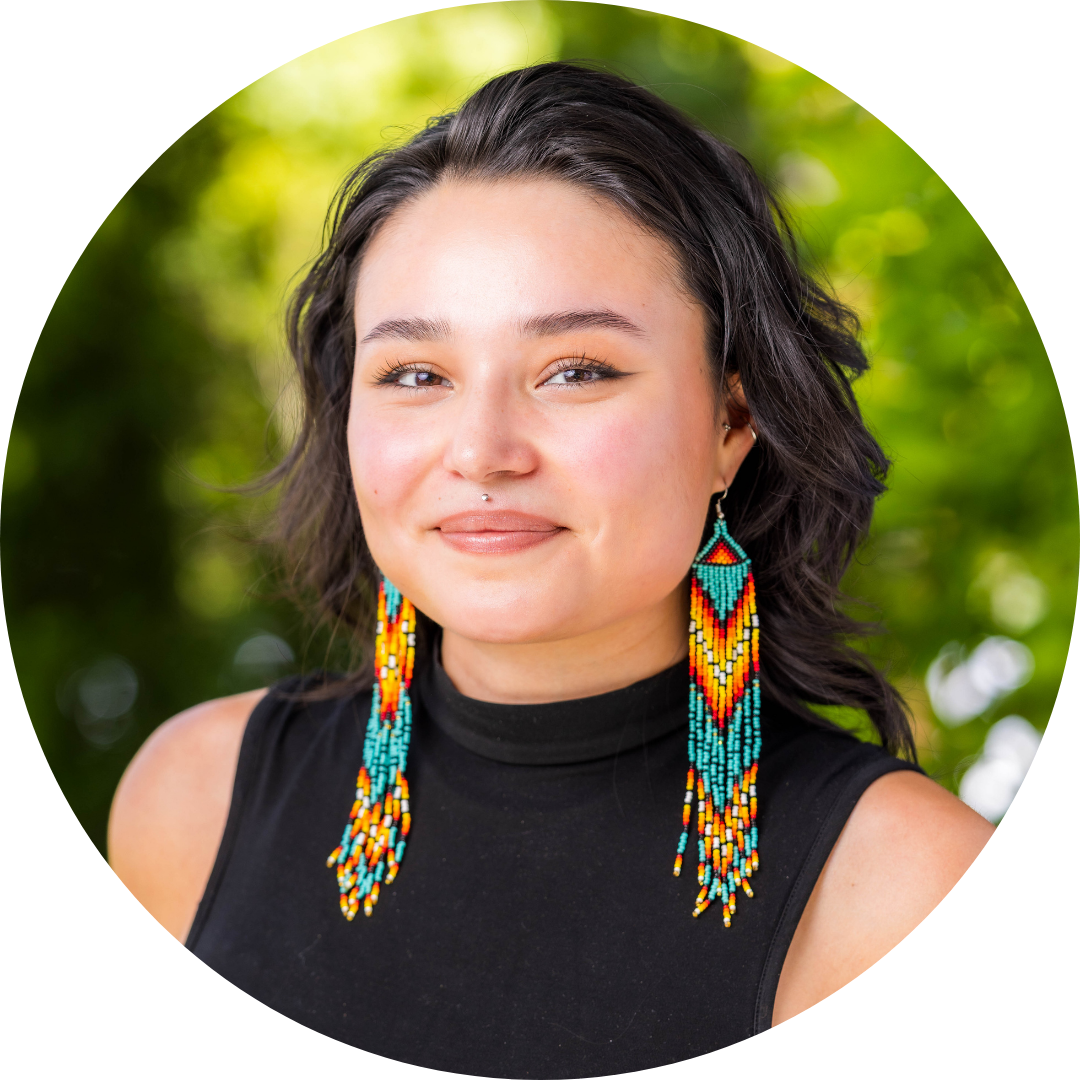
Shandiin Vandervere (Diné) (she/her)
Education Programs Manager, Native Americans in Philanthropy
View BioShandiin was born and raised on Diné Bikeyah, filtering through many different towns on the Navajo Nation during her childhood. She currently lives on traditional Ohlone and Esselen lands, now recognized as the Monterey Bay in California.
Her community has guided her professional work, where she has focused on supporting Indigenous-led nonprofits in communication and development roles, working with grassroots organizations like Yee Há’olníi Dóo or larger legacy organizations like the Association on American Indian Affairs.
With a deep appreciation for traveling and learning from new perspectives, she is grateful to have spent three years studying in France for her Bachelor of Arts in journalism and global communications. She continues to freelance as a journalist with work published through Navajo Times, Peacock Plume, and Changing Womxn Collective.
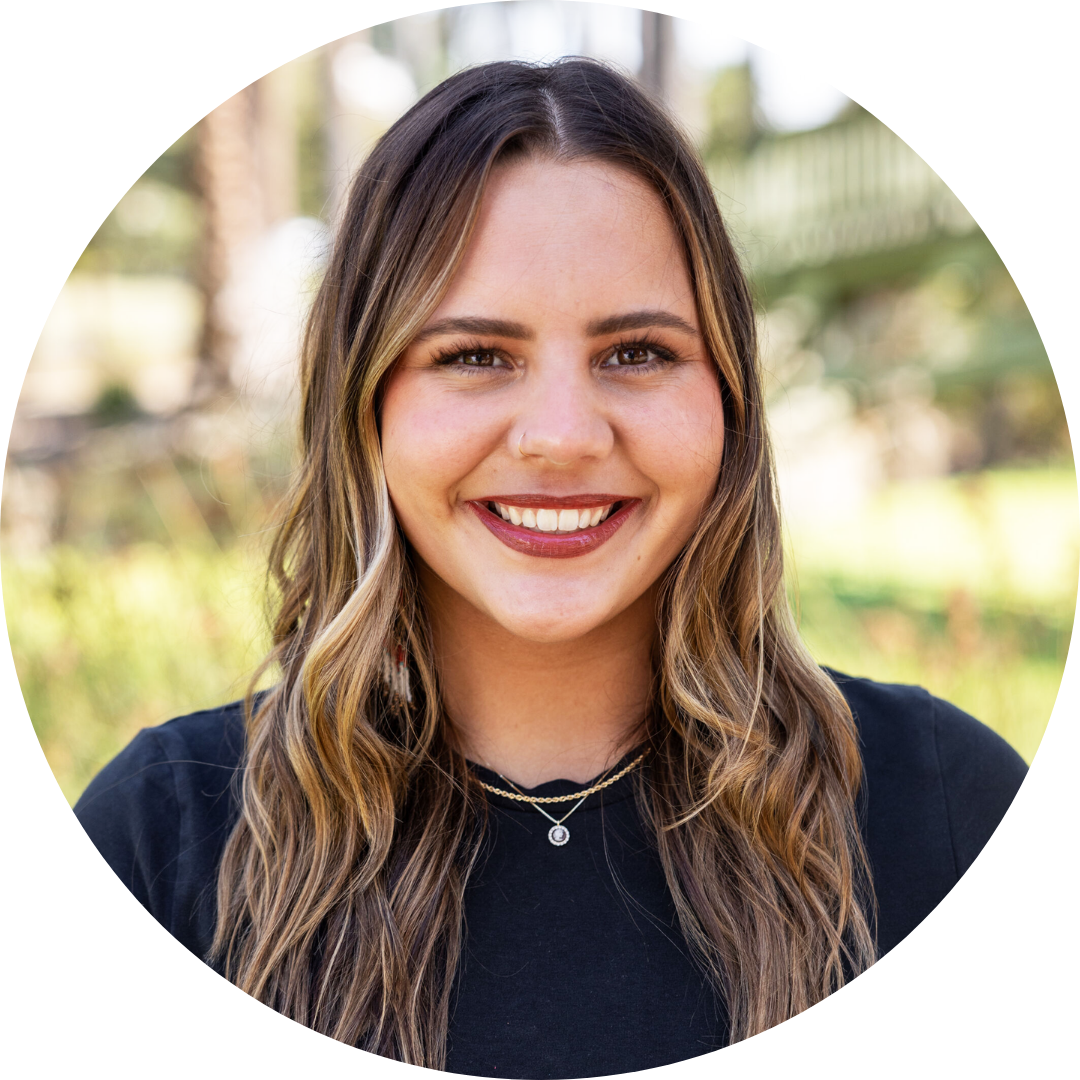
Sequoia Coleman (Seminole Nation of Oklahoma and Mvskoke) (she/her)
Native Youth Grantmaker, Native Americans in Philanthropy
View BioSequoia Coleman (Seminole Nation of Oklahoma & Mvskoke) is a Northern California Community Organizer born and raised in Sacramento, dedicated to creating spaces where Native youth feel supported, connected, and prepared to lead.
In her role, she coordinates youth-centered programming across the state, focusing on civic engagement, leadership development, and culturally grounded approaches to community power-building. Her work centers on training Native youth to become community organizers who can return home to support their communities’ strengths, priorities, and visions for meaningful change. She is known for curating intergenerational spaces that uplift the Native youth voice, by setting the tone and building connection, young people feel grounded and ready to step into leadership.
She holds a Bachelor of Science from the University of Hawai‘i, where she originally planned for a career in athletic training before discovering her passion for community work and youth leadership. That shift continues to shape her approach grounded in care, relationship-building, and a belief that young people thrive when they are supported holistically.
The impact that supportive community spaces had on her own life drives her passion to ensure that Native youth have the tools and encouragement needed to contribute to their communities in powerful and meaningful ways.
Stories & Updates
Changing the conversation.Get the latest NAP news.
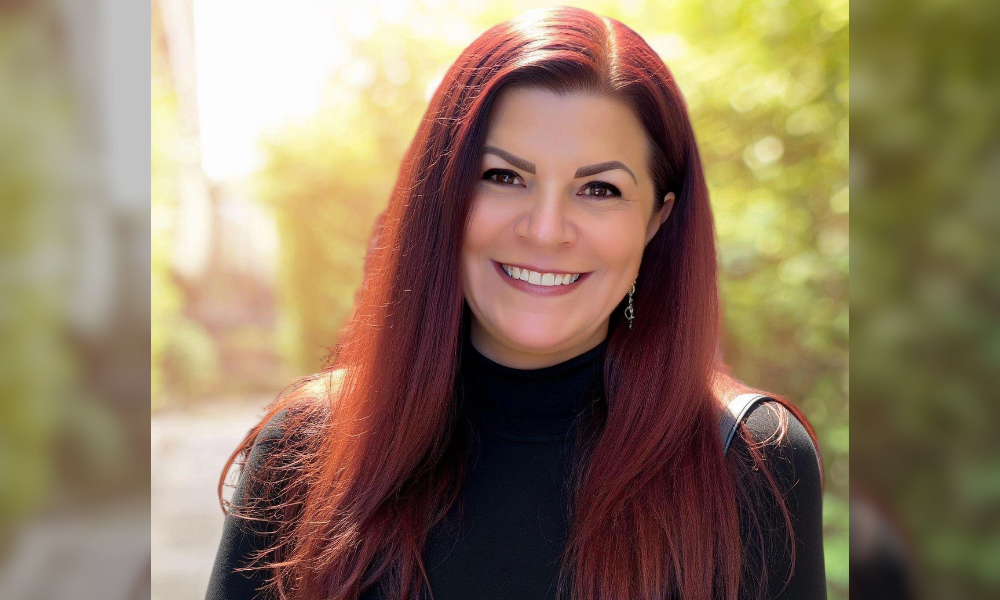
NAP Welcomes Sarah EchoHawk as Managing Director
We are excited to welcome Sarah EchoHawk (Pawnee) as the Managing Director of Native Americans in Philanthropy.
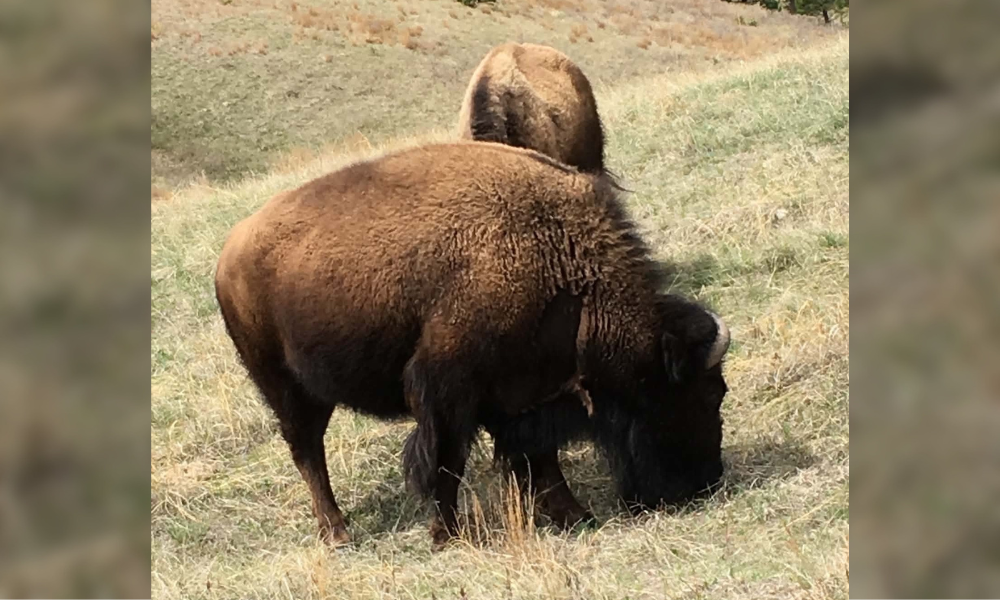
Restoring Buffalo, Restoring a Way of Life: The Knife Chief Buffalo Nation Society
The Lakota philosophy continues through the work of the Knife Chief Buffalo Nation Society, a community-led effort restoring buffalo, culture, spirituality, and connections between generations.
.jpg)
Indigenous Tomorrows Fund Expands in Year Two With $1.65 Million Investment in Youth-Led Grantmaking
Native Americans in Philanthropy, Newman’s Own Foundation, and Novo Nordisk are thrilled to announce the recipients of the 2025 Indigenous Tomorrows Fund (ITF) grants.
.jpg)
The Indigenous Tomorrows Fund: 2026 Grant Applications Now Closed!
Native Americans in Philanthropy, Newman’s Own Foundation, and Novo Nordisk are thrilled to announce the recipients of the 2025 Indigenous Tomorrows Fund (ITF) grants.
.jpg)
Native Youth Grantmakers at NAPCON26
The 2026 Native Youth Grantmakers (NYG) convened together for the first time on the homelands of our Coast Salish relatives. Beyond gaining new relatives and networking at every turn, the retreat’s agenda included courses in personal development, cultural grounding, and exploring each participant’s role as members of their respective communities and their new place within the philanthropic sector.
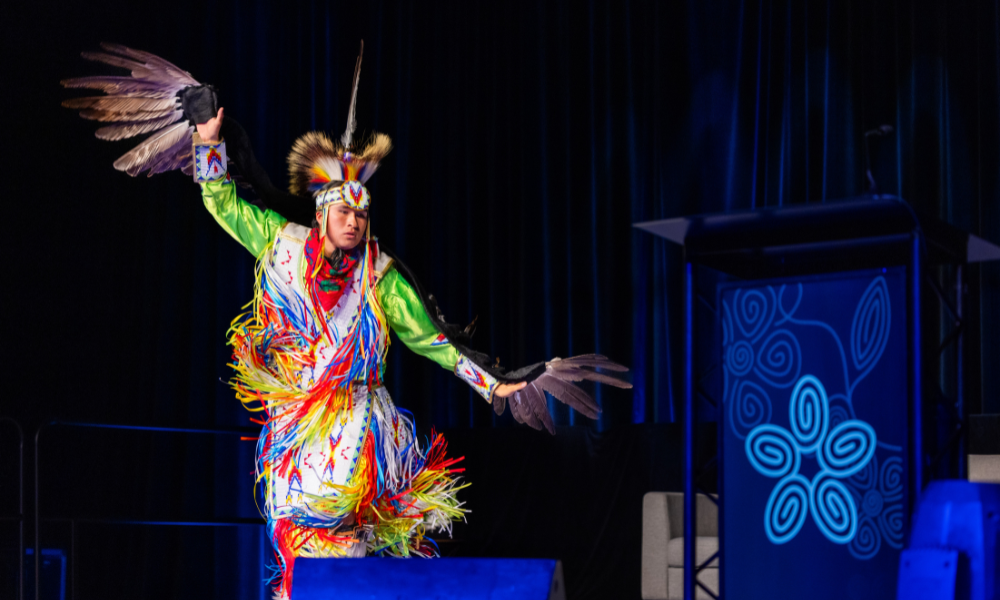
NAPCON26: Highlights From Our 2026 Annual Conference
Over three days in Riverside, California, Native leaders, funders, organizers, and community members gathered for the Native Americans in Philanthropy 2026 Annual Conference.
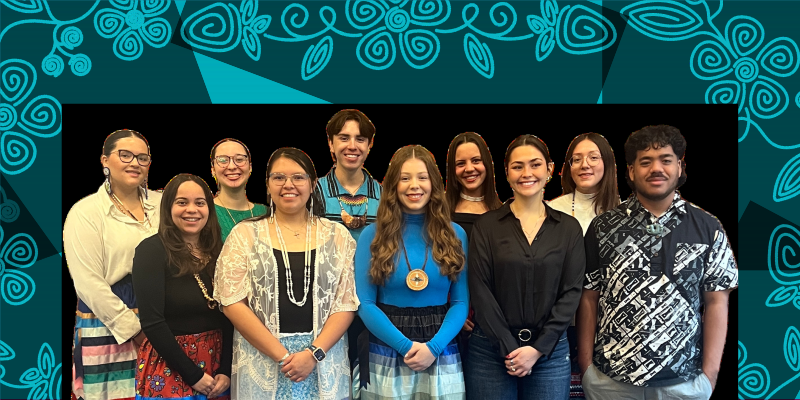
Native Youth Grantmakers in Seattle
The 2026 Native Youth Grantmakers (NYG) convened together for the first time on the homelands of our Coast Salish relatives. Beyond gaining new relatives and networking at every turn, the retreat’s agenda included courses in personal development, cultural grounding, and exploring each participant’s role as members of their respective communities and their new place within the philanthropic sector.
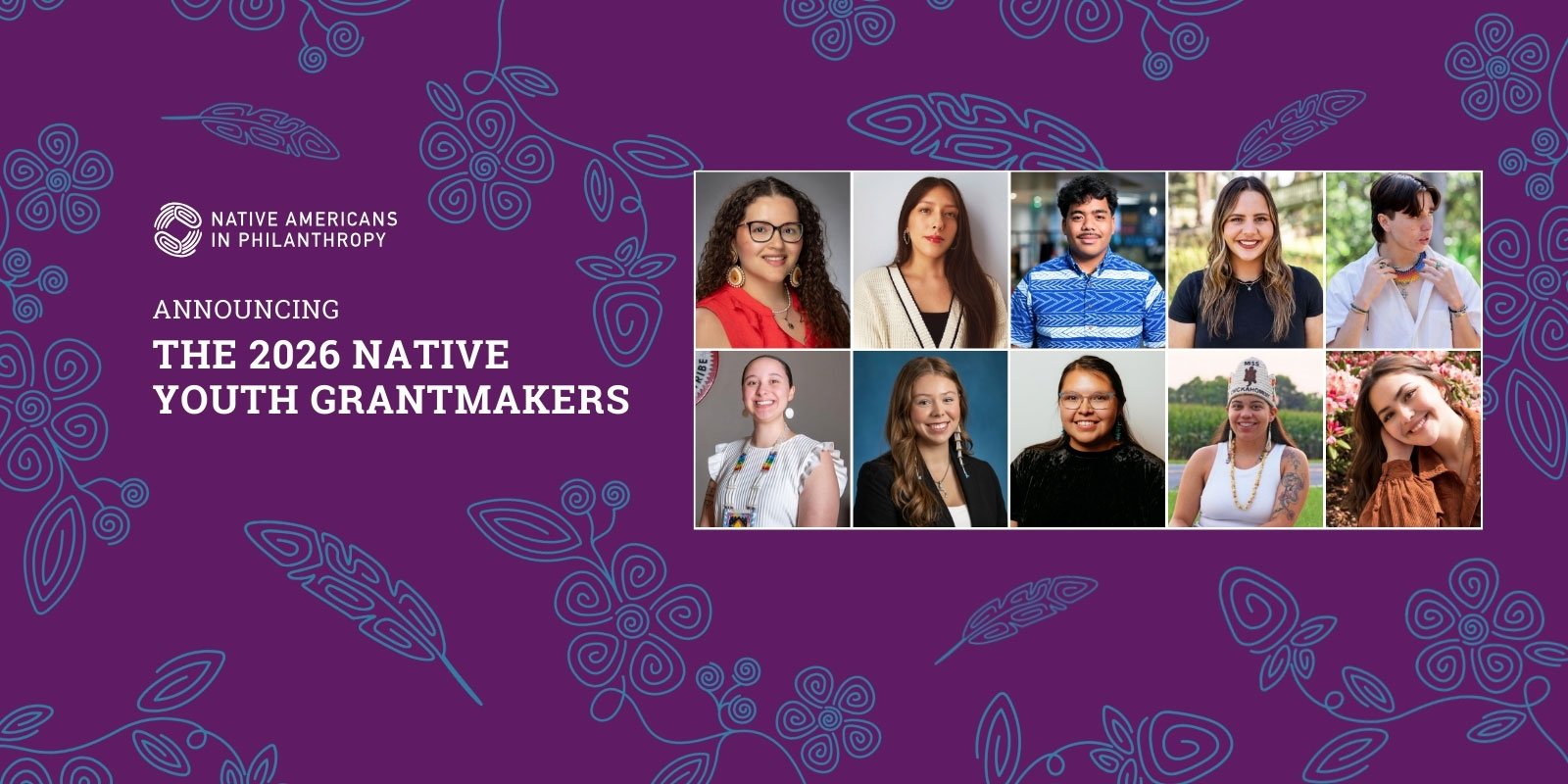
Native Americans in Philanthropy Announces Third Cohort of Native Youth Grantmakers
Native Americans in Philanthropy (NAP) is thrilled to announce the 2025-2026 Native Youth Grantmakers. These extraordinary and highly accomplished young individuals are the embodiment of passion, excellence, and a deep commitment to making a positive difference in their communities. As we welcome this new cohort, we celebrate their achievements, their futures, and their dedication to advancing Native-led philanthropy.
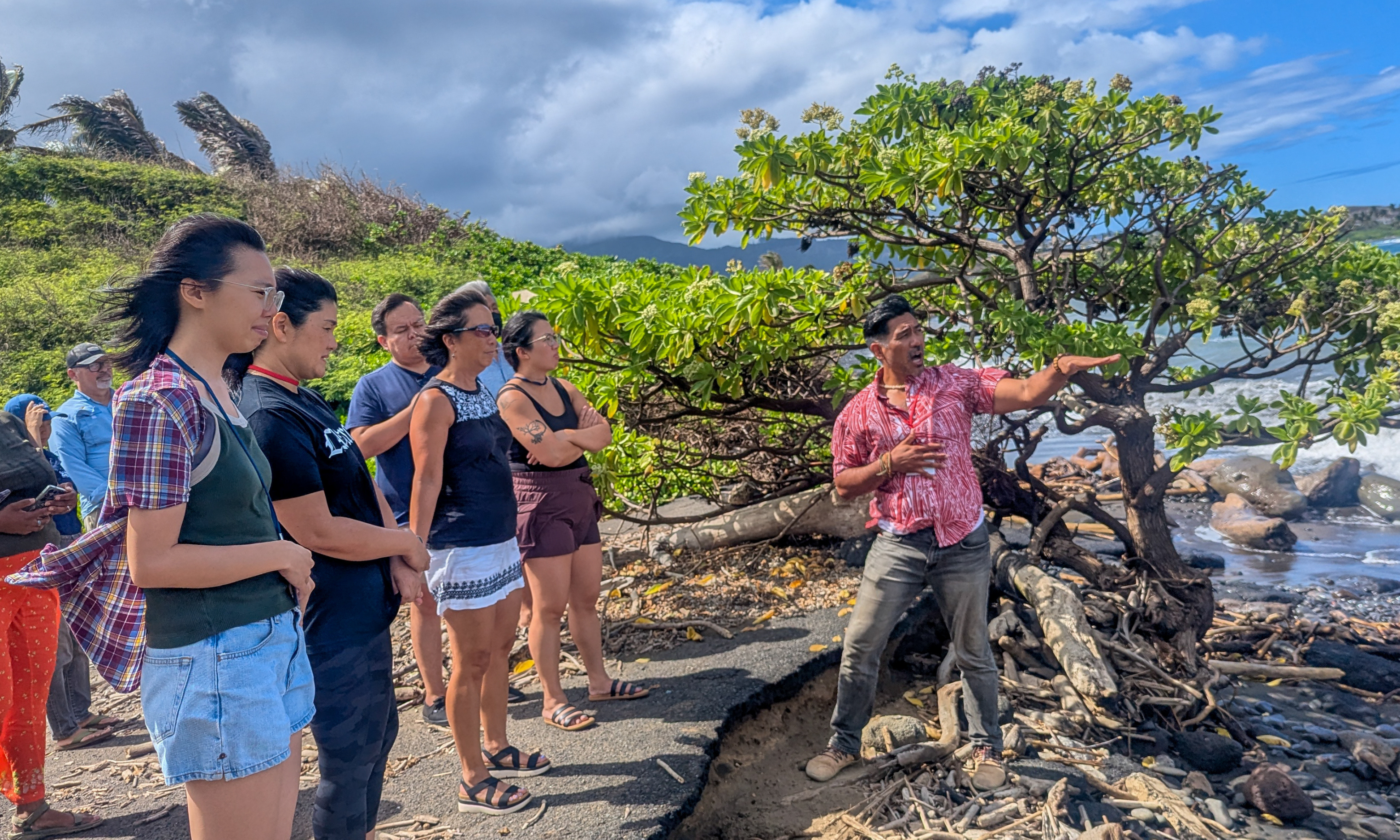
Standing Hand-in-Hand: Reflections on Reclamation, Partnership, and Possibility in Hawaiʻi
Native Hawaiian Philanthropy, Native Americans in Philanthropy, and Asian Americans/Pacific Islanders in Philanthropy came together for the Power in Solidarity: Hawaiʻi Funder Tour