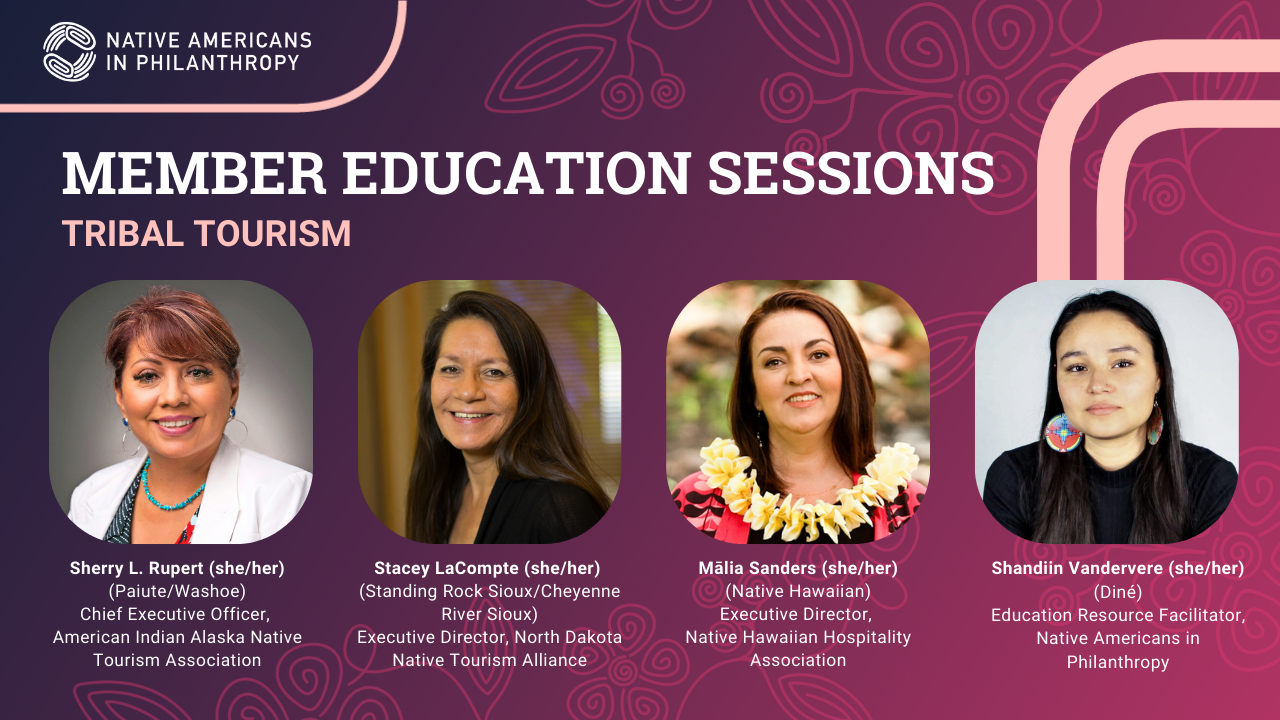
Member Education Sessions: Tribal Tourism
Event Description
As stewards of the land, each Native Nation has a unique responsibility to protect and give back to the Earth, ensuring future generations continue to be able to enjoy the undeniable beauty of our landscapes. This responsibility is even more important as we look to the tourism industry, where a healthy hospitality industry plays a vital role in the economic and cultural prosperity of Native communities across Indian Country. While the history of tourism marks significant exploitation of both culture and land for profit, a shift is underway, as more Tribal communities are reclaiming control over tourism and hospitality and prioritizing the preservation of traditional values and environmental sustainability.
Native Americans in Philanthropy was pleased to welcome the Chief Executive Officer of the American Indian Alaska Native Tourism Association, Sherry L. Rupert, the Executive Director of the North Dakota Native Tourism Alliance, Stacey LaCompte, and the Executive Director of the Native Hawaiian Hospitality Association, Mālia Sanders. Make sure to watch this panel of impressive Native professionals working to re-establish sustainable business models that prioritize cultural values and empower local economies.
Watch the broadcast now on NAP’s YouTube Channel and be sure to subscribe to the NAP YouTube channel for more informative and important resources on Native communities.
About Our Speakers
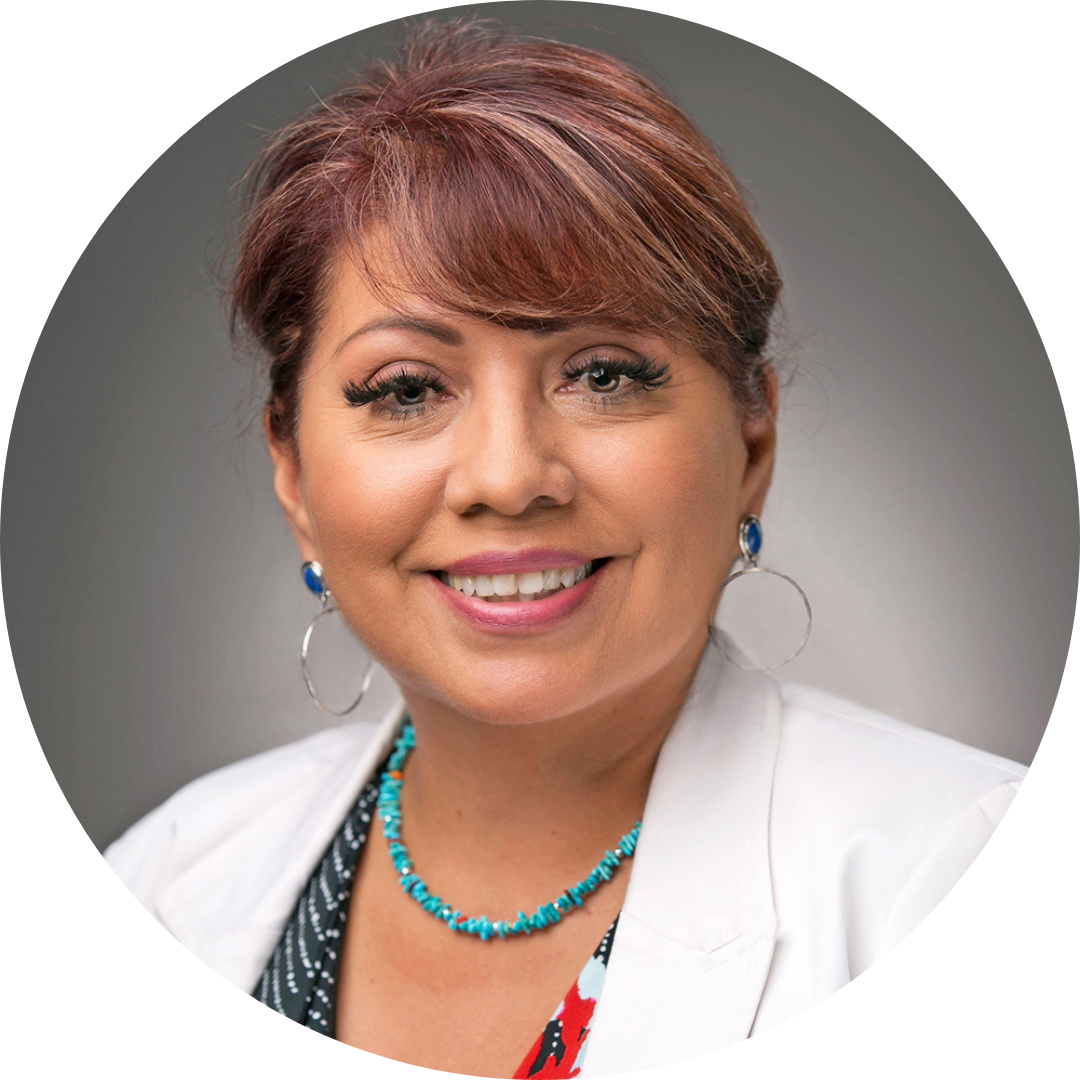
Sherry L. Rupert (Paiute/Washoe) (she/her)
Chief Executive Officer, American Indian Alaska Native Tourism Association
View BioAIANTA CEO Sherry L. Rupert (Paiute/Washoe) has over two decades of executive-level experience managing and promoting Indigenous Tourism. As CEO of the American Indian Alaska Native Tourism Association (AIANTA), the only national association dedicated to Indigenous tourism, she is the leading voice when it comes to advocating for travel and tourism as a significant economic driver in Native nations. She also holds leadership positions on various national boards, including the U.S. Department of Commerce National Travel and Tourism Advisory Board, the U.S. Travel Association Board of Directors, and the National Park Service Advisory Board Tourism Committee. She is a former member of the Business Advisory Council under the National Oceanic and Atmospheric Administration, Department of Commerce, and a Co-Chair of the America250 Hospitality and Tourism Advisory Committee. In 2024, Sherry joined the inaugural board as a U.S. representative of the newly-formed global organization, Destination Original Indigenous Tourism, where she serves as one of three key architects in its creation.
Under her leadership, she has launched the Economic Impact of U.S. Indigenous Tourism Businesses, the first-ever study of its kind. She also curates a robust educational program for tribes and indigenous-owned hospitality enterprises around the country. Prior to assuming the role of CEO, she served as President of AIANTA’s Board of Directors since 2012. During that time, she was instrumental in working with Congress to pass the Native American Tourism and Improving Visitor Experience (NATIVE) Act. Sherry previously served as the Executive Director of the State of Nevada Indian Commission, reporting directly to the Governor of Nevada to serve as a liaison to the state’s 28 tribes, bands, and colonies, and served as the Chairperson on Nevada’s Indian Territory, Nevada Commission on Tourism.
She has won numerous awards and accolades for her work, including for her work in preserving the site of the Stewart Indian School as a museum and cultural center and coordination of the popular Stewart Father’s Day Powwow, the largest three-day Powwow in Northern Nevada. She successfully raised $5.7 million in state appropriations to establish a museum and cultural center at the historic site. She led the development and implementation of the Stewart Indian School Master Plan (Interpretive Plan, Market Study, and Business Strategic Plan) for the State of Nevada. Sherry also created and implemented the award-winning Stewart Indian School Trail, a self-guided cell phone walking tour of the Stewart Indian School campus in 2008.
As CEO of AIANTA, the organization has received industry recognition to include the Clyde Warrior Civil Rights Recognition presented by the Native Professional Advancement Center in 2024, and was awarded by Condé Nast Traveler’s 2024 Bright Ideas in Travel list for its partnership with the U.S. Forest Service Community Navigator program. Sherry was also recognized in 2024 by Leisure Group Travel's Women in Tourism Leadership Spotlight, highlighting her contributions to Indigenous and cultural tourism across the U.S.
Sherry holds a Bachelor of Science in Business Administration with a Finance Major from the University of Nevada, Reno, and has completed professional training courses and programs to support her work in advancing cultural tourism in the United States.
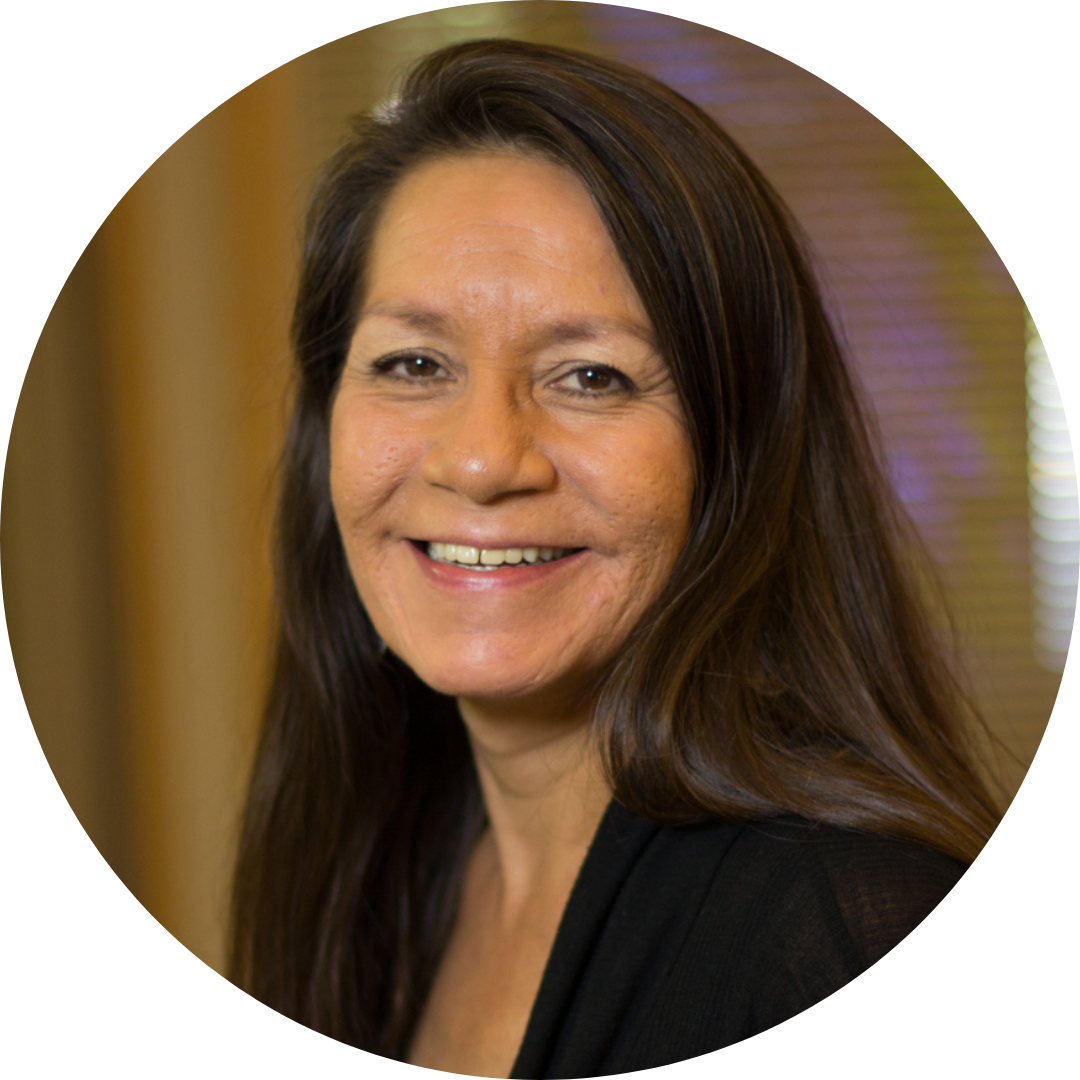
Stacey LaCompte (Standing Rock Sioux/Cheyenne River Sioux) (she/her)
Executive Director, North Dakota Native Tourism Alliance
View BioStacey (Tiger) LaCompte, enrolled member of the Standing Rock Sioux Tribe and descendant of the Cheyenne River Sioux Tribe.
She currently serves as the Executive Director, North Dakota Native Tourism Alliance and Native American Cultural Tours, “Building Back Better and Stronger,” “Telling our Story with our own Voices” - Vision of our future of strength with sustainable economic development through tourism.
Previously, Stacey served as Executive Director & Project Manager for the North Dakota Indian Business Alliance; Executive Director of the Wakpa Sica Reconciliation Place/Historical Society (Oceti Sakowin – Seven Council Fires); Acting Director of the He Sapa Repatriations Alliance; Project Coordinator for the Great Plains Economic and Commerce Association; and Co-Founder of the South Dakota Indian Business Alliance, among other positions. First cohort member of Native Nation Rebuilders selected by the Bush Foundation in 2010. Cohort 3 for the “Change Network”.
Stacey embraced her training and education for the betterment of our Oyates (Our people), while being mentored, was provided guidance according to her elders, addressing and acknowledging her path of life. They advised her that the path of life comes to you: “Embrace it and Work for your People”!
Stacey is married to Brian LaCompte, proud mother of four sons and one daughter, grandmother of eight grandsons and one granddaughter.

Mālia Sanders (Native Hawaiian) (she/her)
Executive Director, Native Hawaiian Hospitality Association
View BioMālia Sanders is a kanaka maoli (Native Hawaiian) and a graduate of the Kamehameha Schools Kapālama Campus, the University of Hawaiʻi, and has over 25 years of upper management experience in the hospitality industry focused on customer service, cultural education, event management, and advocacy. Mālia is a subject matter expert on Regenerative Tourism and Cultural Tourism and holds Professional Certifications in Sustainable Tourism and Destination Management from Cornell University, Sustainable Tourism for Native Nations & Communities from Arizona State University, and Cultural Heritage Tourism through the International Institute of Tourism Studies at the George Washington University.
Mālia is the Executive Director of the Native Hawaiian Hospitality Association (NaHHA), a non-profit organization deeply rooted in perpetuating the authenticity of the Native Hawaiian culture in Hawaiʻi’s visitor industry through cultural education and program development. She has been with NaHHA for 13 years and assumed the role of Executive Director in 2021, leading NaHHA during the peak of the pandemic, and has received many industry accolades for her work in Regenerative Tourism and cultural programming.
In 2025, Mālia graduated as part of the 18th cohort of the Pacific Century Fellows, an emerging leaders program modeled after the White House Fellows program, supporting the growth of the next generation of leaders in Hawaiʻi. In 2024, Mālia was recognized as one of “Hawaiʻi’s 20 For The Next 20” by Hawaiʻi Business Magazine, which highlights individuals they believe will have a major impact on Hawaiʻi over the next two decades. In 2022, Mālia was named Social Impact Entrepreneur of the Year for her efforts in “re-imaging Hawaiʻi’s economy with an emphasis on sustainability, innovation and diversification.” Mālia also has received the prestigious Pineapple Award from Pacific Business News in recognition of her contributions to hospitality leadership in Hawaiʻi. She has also been featured as one of American Indian Alaska Native Tourism Association’s top Native American Women Leaders in Cultural Heritage Tourism. In her role as an active community member, Mālia is the President of the Hawaiian Civic Club of Honolulu, founded by Prince Jonah Kūhiō Kalanianaʻole, which has been in existence for over 106 years, focusing on civic engagement, bill creation, public policy, advocacy, and equity for the Native Hawaiian community.

Shandiin Vandervere (Diné) (she/her)
Education Programs Manager, Native Americans in Philanthropy
View BioShandiin was born and raised on Diné Bikeyah, filtering through many different towns on the Navajo Nation during her childhood. She currently lives on traditional Ohlone and Esselen lands, now recognized as the Monterey Bay in California.
Her community has guided her professional work, where she has focused on supporting Indigenous-led nonprofits in communication and development roles, working with grassroots organizations like Yee Há’olníi Dóo or larger legacy organizations like the Association on American Indian Affairs.
With a deep appreciation for traveling and learning from new perspectives, she is grateful to have spent three years studying in France for her Bachelor of Arts in journalism and global communications. She continues to freelance as a journalist with work published through Navajo Times, Peacock Plume, and Changing Womxn Collective.
Stories & Updates
Changing the conversation.Get the latest NAP news.
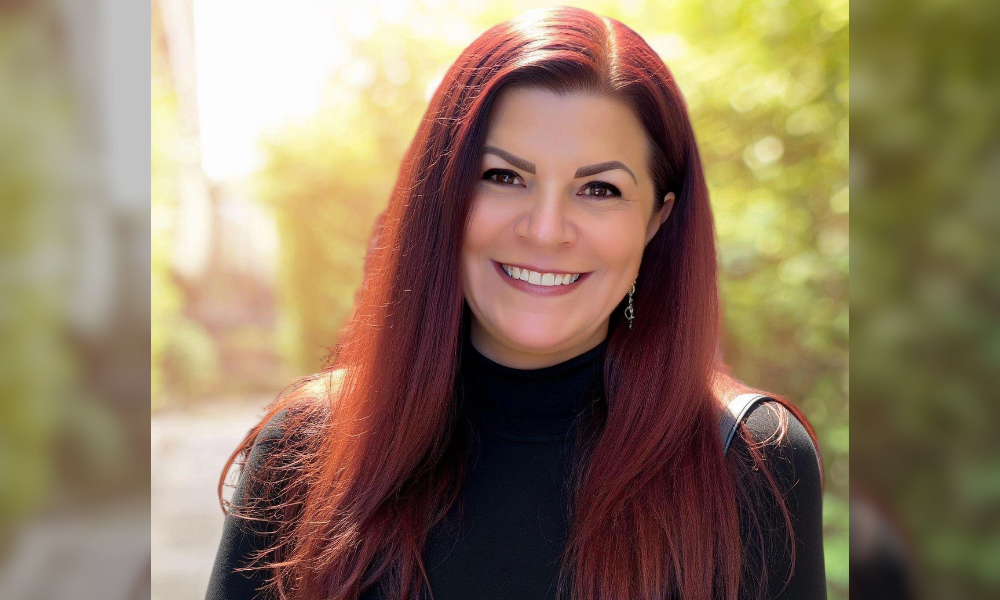
NAP Welcomes Sarah EchoHawk as Managing Director
We are excited to welcome Sarah EchoHawk (Pawnee) as the Managing Director of Native Americans in Philanthropy.
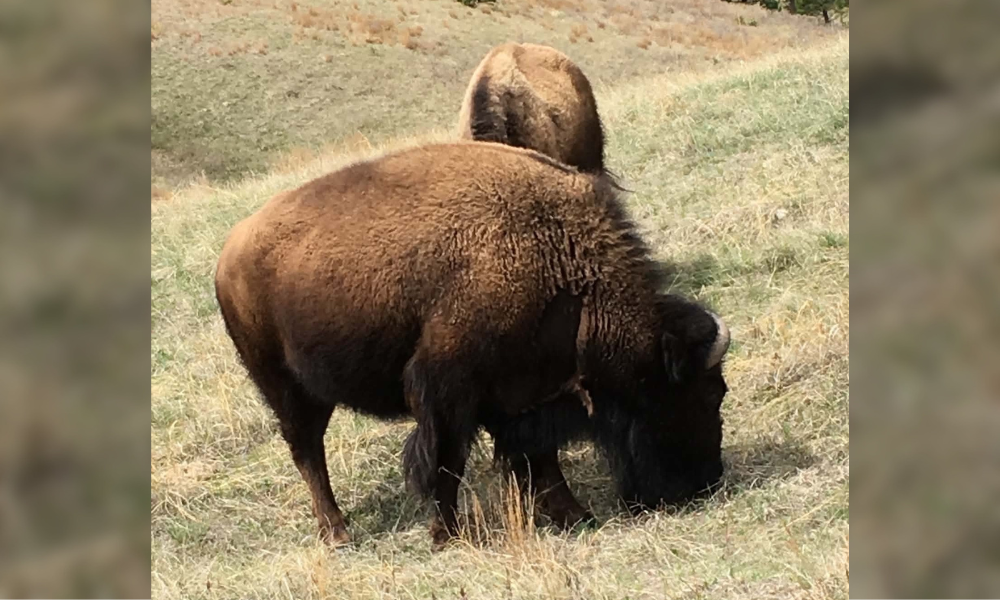
Restoring Buffalo, Restoring a Way of Life: The Knife Chief Buffalo Nation Society
The Lakota philosophy continues through the work of the Knife Chief Buffalo Nation Society, a community-led effort restoring buffalo, culture, spirituality, and connections between generations.
.jpg)
Indigenous Tomorrows Fund Expands in Year Two With $1.65 Million Investment in Youth-Led Grantmaking
Native Americans in Philanthropy, Newman’s Own Foundation, and Novo Nordisk are thrilled to announce the recipients of the 2025 Indigenous Tomorrows Fund (ITF) grants.
.jpg)
The Indigenous Tomorrows Fund: 2026 Grant Applications Now Closed!
Native Americans in Philanthropy, Newman’s Own Foundation, and Novo Nordisk are thrilled to announce the recipients of the 2025 Indigenous Tomorrows Fund (ITF) grants.
.jpg)
Native Youth Grantmakers at NAPCON26
The 2026 Native Youth Grantmakers (NYG) convened together for the first time on the homelands of our Coast Salish relatives. Beyond gaining new relatives and networking at every turn, the retreat’s agenda included courses in personal development, cultural grounding, and exploring each participant’s role as members of their respective communities and their new place within the philanthropic sector.
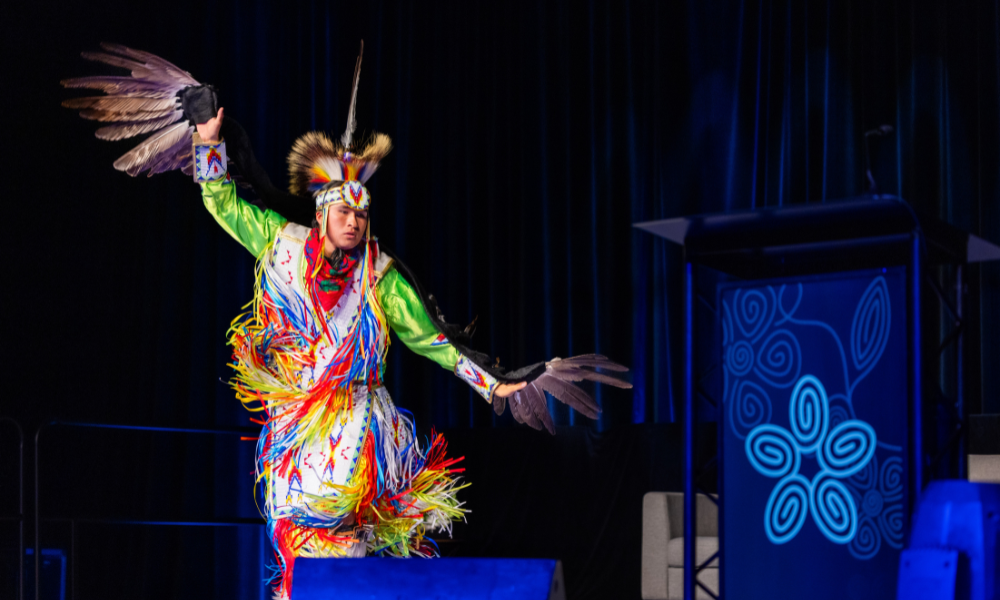
NAPCON26: Highlights From Our 2026 Annual Conference
Over three days in Riverside, California, Native leaders, funders, organizers, and community members gathered for the Native Americans in Philanthropy 2026 Annual Conference.
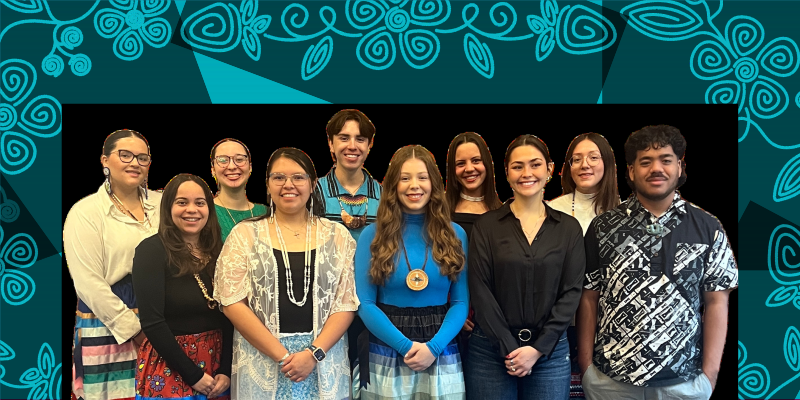
Native Youth Grantmakers in Seattle
The 2026 Native Youth Grantmakers (NYG) convened together for the first time on the homelands of our Coast Salish relatives. Beyond gaining new relatives and networking at every turn, the retreat’s agenda included courses in personal development, cultural grounding, and exploring each participant’s role as members of their respective communities and their new place within the philanthropic sector.
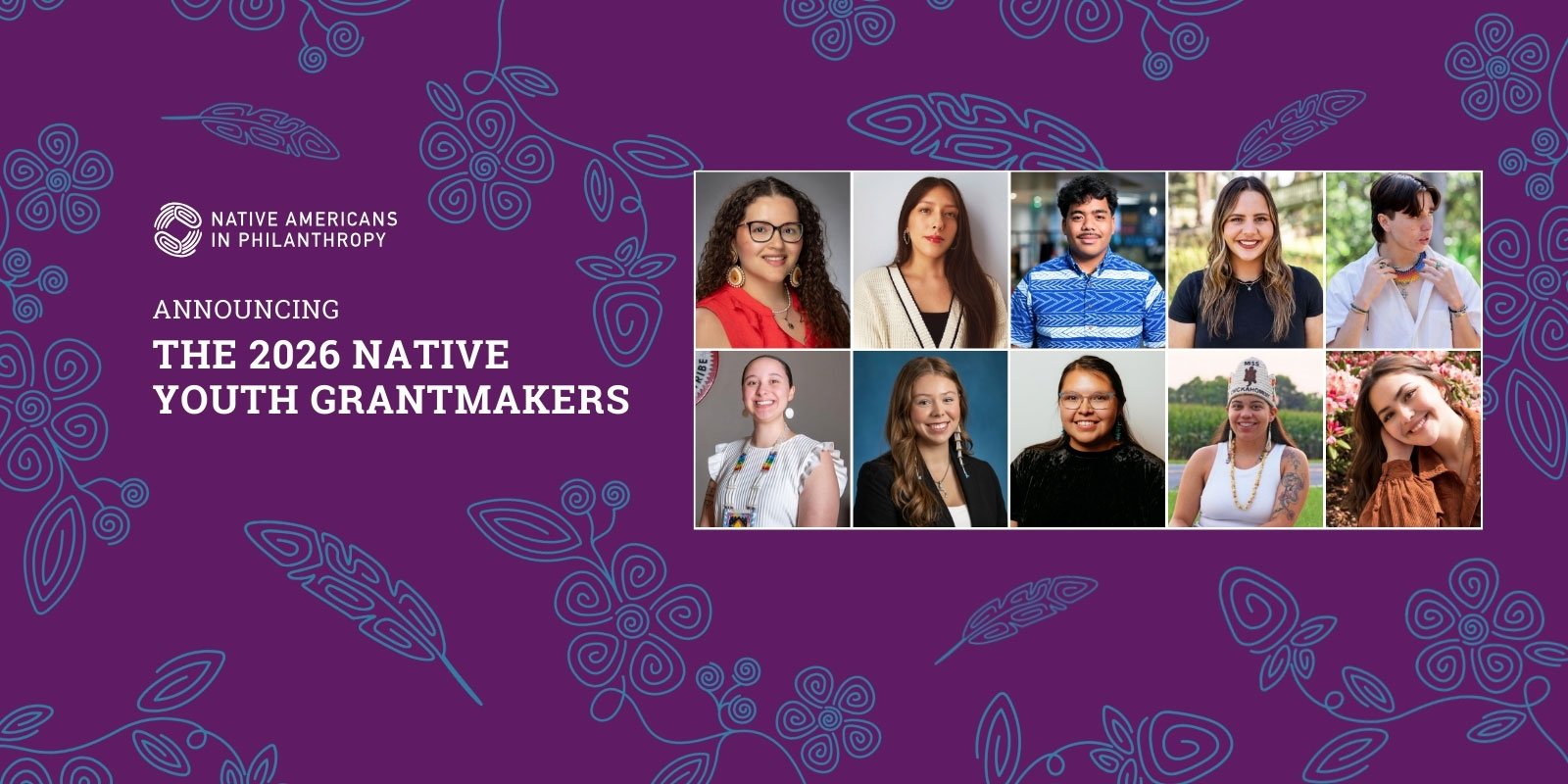
Native Americans in Philanthropy Announces Third Cohort of Native Youth Grantmakers
Native Americans in Philanthropy (NAP) is thrilled to announce the 2025-2026 Native Youth Grantmakers. These extraordinary and highly accomplished young individuals are the embodiment of passion, excellence, and a deep commitment to making a positive difference in their communities. As we welcome this new cohort, we celebrate their achievements, their futures, and their dedication to advancing Native-led philanthropy.
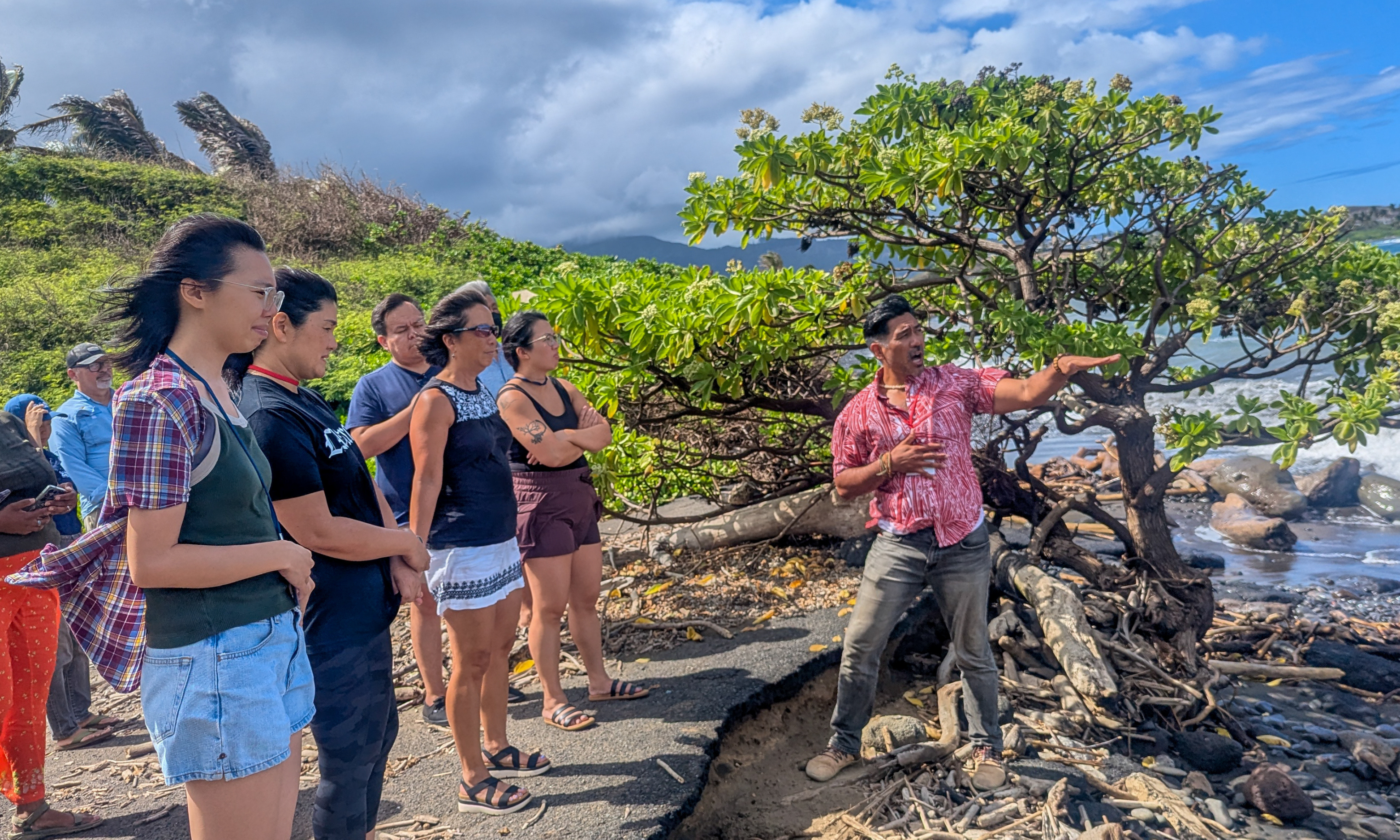
Standing Hand-in-Hand: Reflections on Reclamation, Partnership, and Possibility in Hawaiʻi
Native Hawaiian Philanthropy, Native Americans in Philanthropy, and Asian Americans/Pacific Islanders in Philanthropy came together for the Power in Solidarity: Hawaiʻi Funder Tour