Member Education Session: Indigenous Tomorrows Fund
Event Description
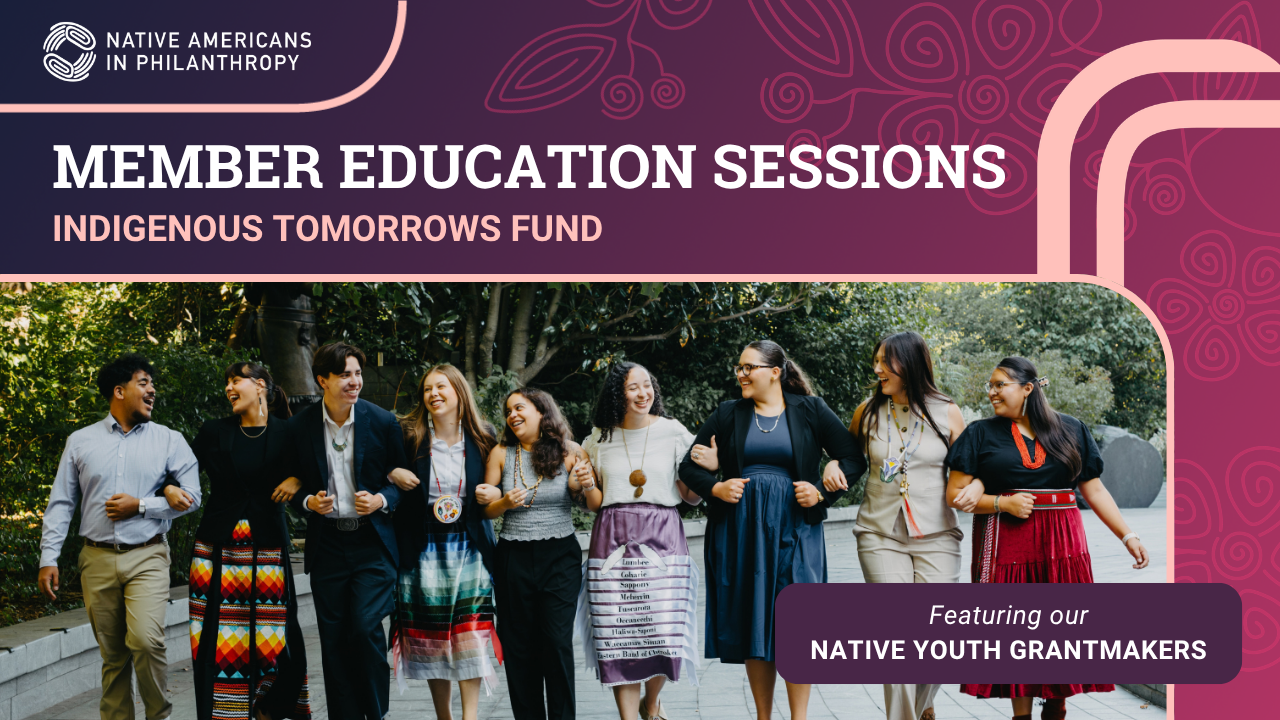
Our youth are actively reimagining what is possible when philanthropy is grounded in Indigenous self-determination and intergenerational wisdom.Native Americans in Philanthropy is honored to host an exciting, fully youth-led Member Education Session as we pass the mic to our young leaders to share their reflections on the Indigenous Tomorrows Fund's first year of success and what partners can learn from this innovative funding model as it continues to evolve.
NAP's mission to lead innovative investments by and for Native communities can be seen in practice with the Indigenous Tomorrows Fund. In partnership with Newman’s Own Foundation, Novo Nordisk, and Mashantucket Pequot Tribal Nation, this participatory grantmaking initiative is the first of its kind in centering young people in designing and awarding funding to organizations that advance the wellbeing of Indigenous communities.
Join Madison Brown, Katie Lynch, and Evynn Richardson from our third cohort of Native Youth Grantmakers on October 14th for an inside look into how the fund was built, the Indigenous values guiding its funding priorities, and what lies ahead for their second year of regranting.
About Our Speakers
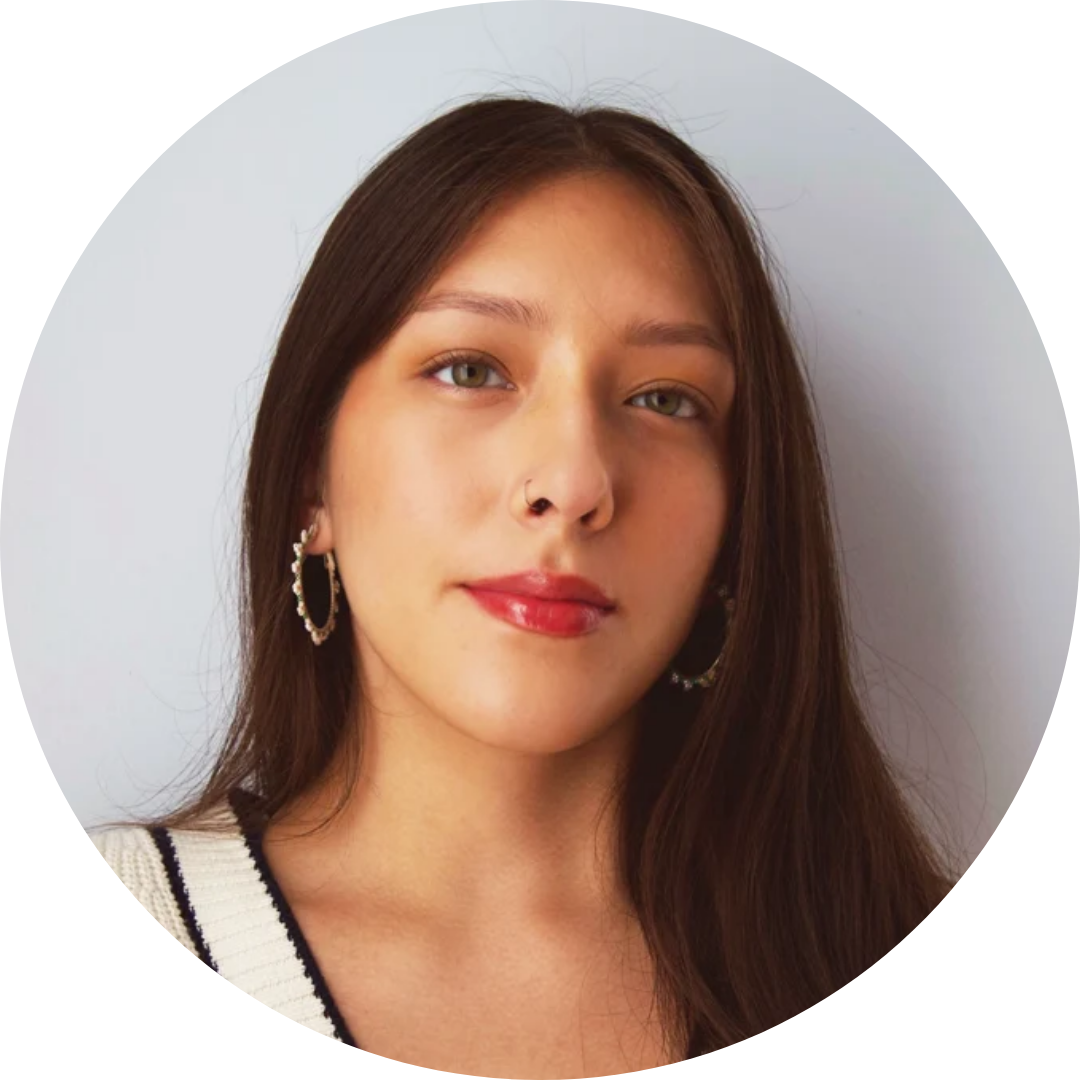
Madison Brown (Seneca Nation) (she/her)
Native Youth Grantmaker, Native Americans in Philanthropy
View BioShe served as Secretary (2022-2024) and subsequently, before her departure, served briefly as Co-President of the National Congress of American Indian Youth Commission, fostering her commitment to youth empowerment and tribal governance.
Currently, Madison is pursuing a degree in Sociology at her local community college, which has expanded her understanding of societal structures and community dynamics. In 2024, she was appointed to the Seneca Nation 1365 Resettlement Committee, a critical role tasked with developing a comprehensive plan for the Seneca Nation's resettlement within the Kinzua Dam Area, lands from which they were forcibly removed in 1965. This appointment highlights her dedication to historical justice and tribal sovereignty.
Beyond her more formal roles, Madison actively engages in community service and environmental stewardship, advocating for the land and more recently the Allegany River. Her recent internship with Congressman Langworthy (NY-23rd) provided valuable experience in intergovernmental coordination, fostering a keen interest in the intricate relationships between tribal nations and governmental entities, grounded in principles of sovereignty over their people and land.
Outside of her professional and advocacy endeavors, Madison is an avid outdoorswoman, finding inspiration and connection to the "teachings in the soil" through activities such as fishing, hunting, and gathering.
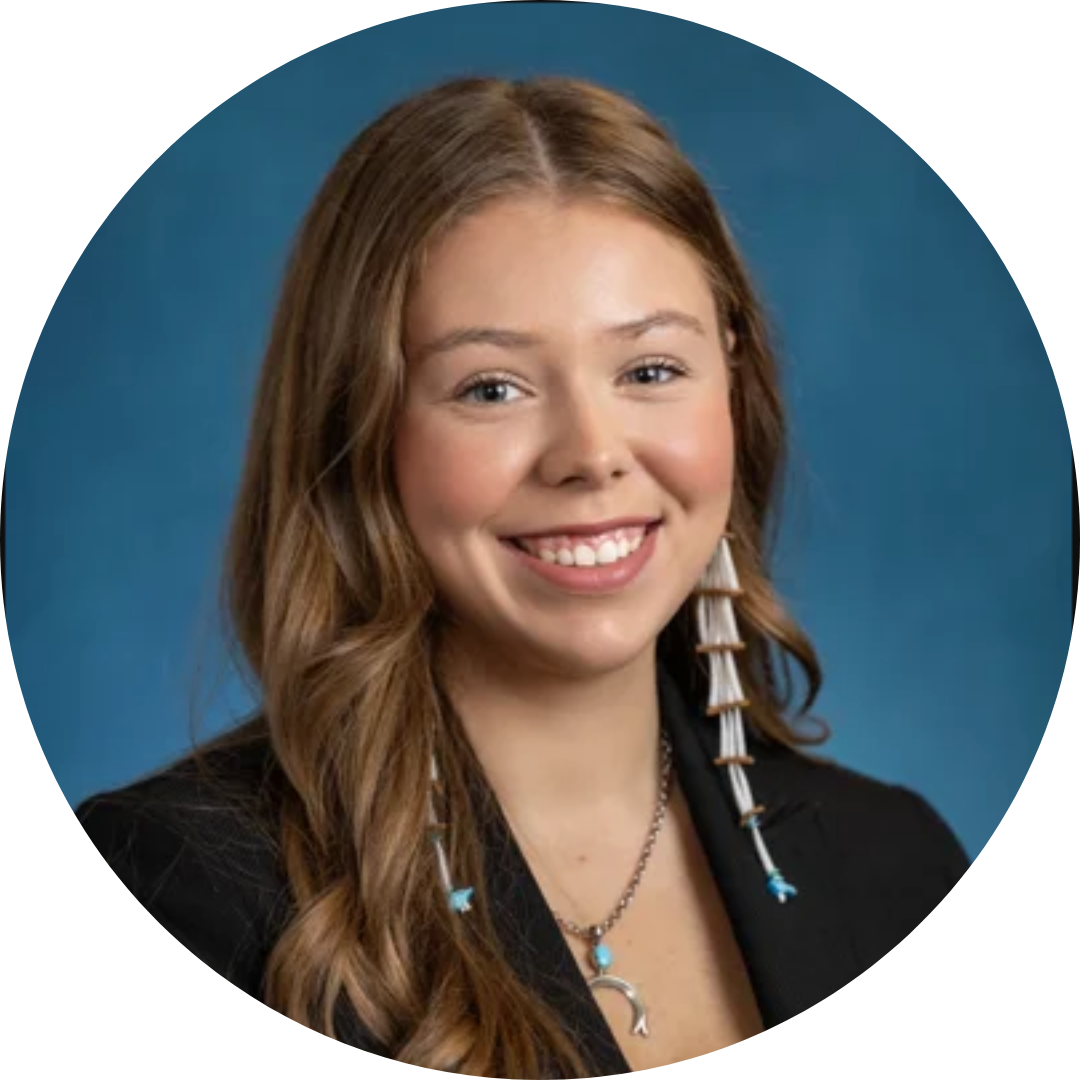
Katie Lynch (Citizen Potawatomi Nation) (she/her)
Native Youth Grantmaker, Native Americans in Philanthropy
View BioWith experience across federal, non-profit, and corporate policy spaces, Katie brings a multidisciplinary and relational lens to her work. Katie is a researcher studying Indigenous conceptualizations of learning health systems and food sovereignty, with particular interests in place-based healing and collective resurgence as forms of radical hope and vibrant Anishinaabe futurism. Her research centers reciprocity and aims to move science and scholarship towards collective liberation.
Outside of academics, she is a 2025 Champion for Change with the Center for Native American Youth, where she advocates for the inclusion of Native youth voices in governance and decision-making. She believes that Native youth must be in the rooms where decisions are being made, to speak truth to power, and to demand a better world.
In the future, Katie hopes to pursue a career in academia focused on Indigenous food system restoration as a public health mechanism. She finds strength in community, collectivity, and the power of Indigenous people to exist in spaces designed to resist them. Her long-term professional goal, in simple terms, is to give back to her Indigenous community and make a difference in the lives of Indigenous people around the country and world.
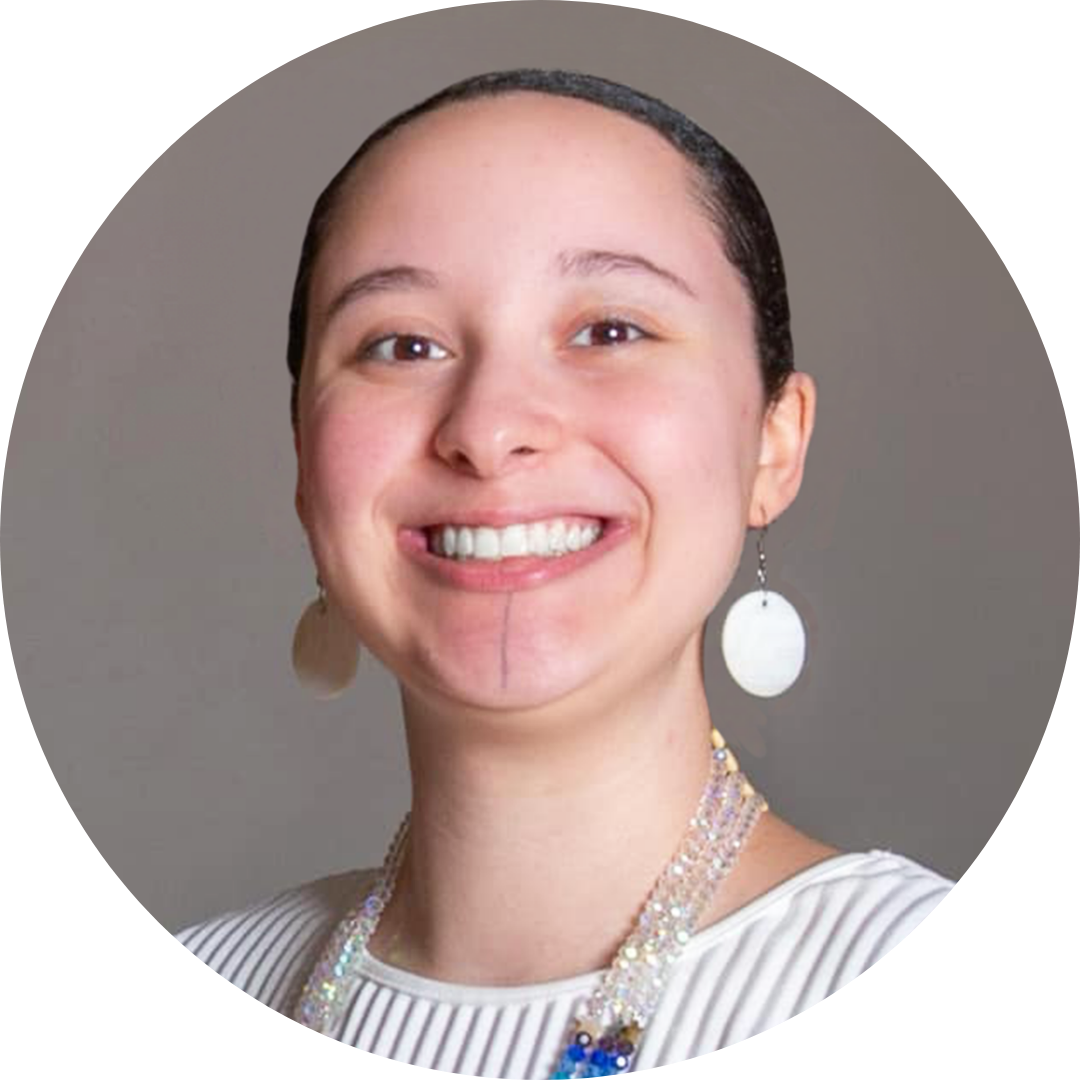
Evynn Richardson (Haliwa-Saponi) (she/her)
Native Youth Grantmaker, Native Americans in Philanthropy
View BioThrough these communities, Evynn has been able to uplift culturally relevant wellness practices, encourage youth to take holistic-based approaches to problem-solving within their communities, and advocate for healing and justice when it comes to the MMIP epidemic.
When she is not plugged into these spaces, Evynn is using her platform, The Medicine Kid, to provide artwork for individuals, tribes, and organizations across Indian Country.
By utilizing her artistic gifts, she has been able to build an MMIP art advocacy toolkit, donate funds towards Native youth scholarships, help generate revenue for her tribe, and is currently working on a free archive of MMIP artwork for public use. It is her hope that the work she does will inspire others to utilize their gifts to give back to their communities in whatever ways possible.
“If you want to know what your purpose is, all you have to do is ask yourself how you will feed the people.”
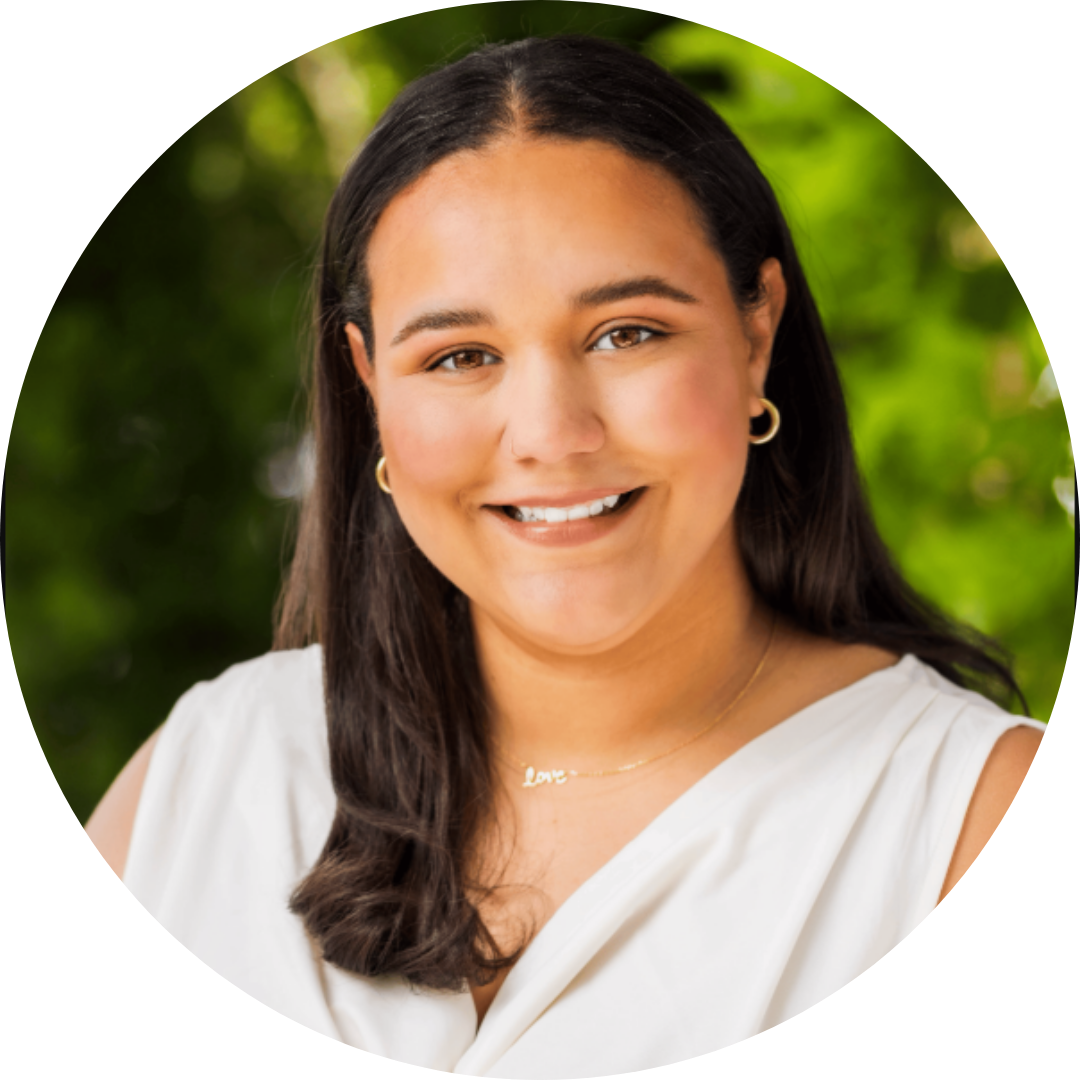
Savannah Baber (Chickahominy Indian Tribe and the Lumbee Tribe of North Carolina) (she/her)
Program Manager for Indigenous Leadership Initiatives, Native Americans in Philanthropy
View BioSavannah earned her B.A. in English and Politics at Wake Forest University in Winston-Salem, NC, and she remains a proud Demon Deacon even though she is currently pursuing a Master of Public Administration degree at the University of North Carolina-Chapel Hill. Go Deacs, always/Go Heels, sometimes!
Savannah previously worked at Wake Forest as the Assistant Director for the university's Intercultural Center, and she loved producing co-curricular programming for students. Most recently, Savannah was the Virginia Indian Program Coordinator at Virginia Humanities; in that role, she enjoyed partnering with the tribal nations across the state to promote, preserve, and produce indigenous knowledge.
Outside of work, Savannah enjoys traveling, going to brunch with friends, and watching bad (but really good) reality TV. She resides in Winston-Salem, NC and insists that it's the most underrated city in the state.
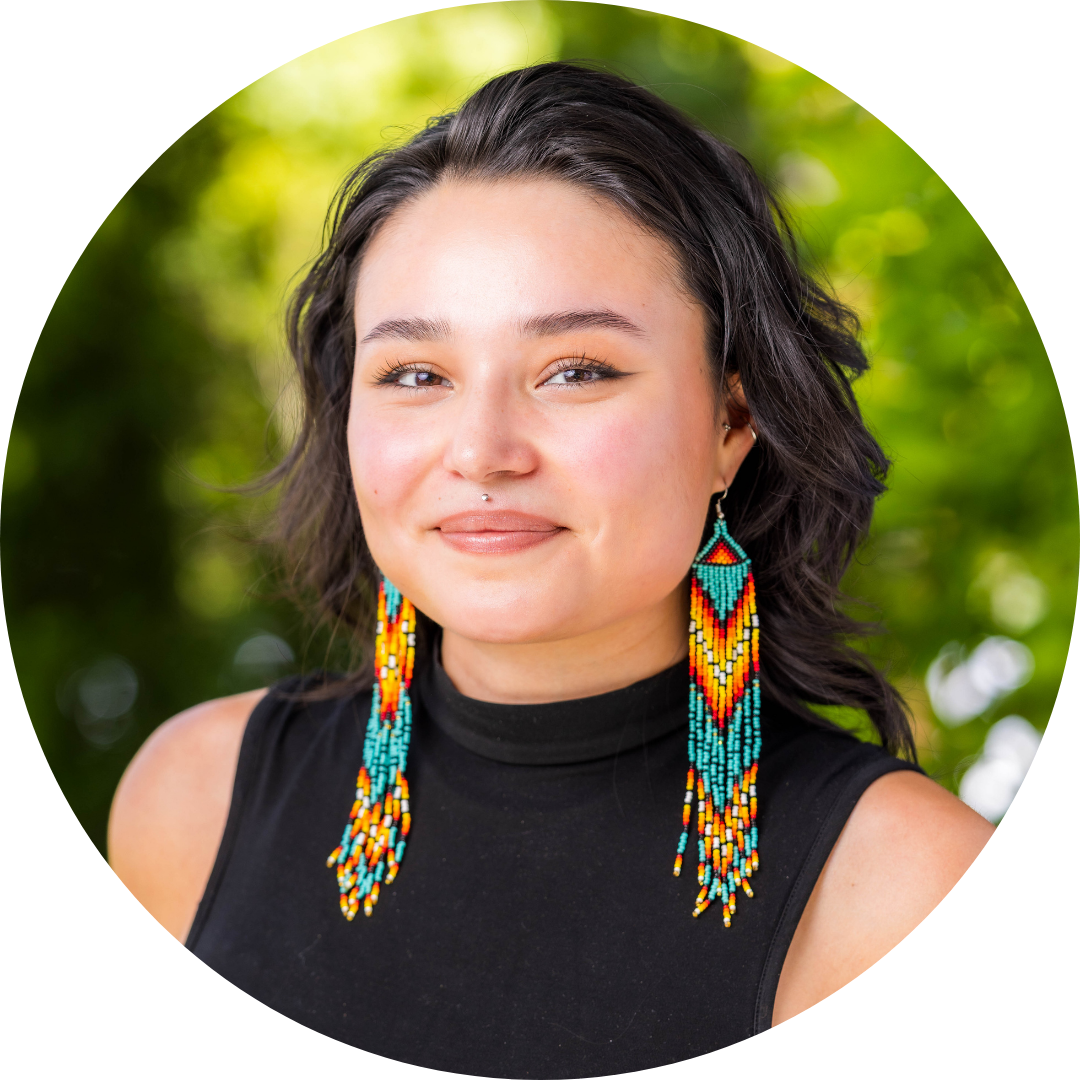
Shandiin Vandervere (Diné) (she/her)
Education Programs Manager, Native Americans in Philanthropy
View BioShandiin was born and raised on Diné Bikeyah, filtering through many different towns on the Navajo Nation during her childhood. She currently lives on traditional Ohlone and Esselen lands, now recognized as the Monterey Bay in California.
Her community has guided her professional work, where she has focused on supporting Indigenous-led nonprofits in communication and development roles, working with grassroots organizations like Yee Há’olníi Dóo or larger legacy organizations like the Association on American Indian Affairs.
With a deep appreciation for traveling and learning from new perspectives, she is grateful to have spent three years studying in France for her Bachelor of Arts in journalism and global communications. She continues to freelance as a journalist with work published through Navajo Times, Peacock Plume, and Changing Womxn Collective.
Register for Event
Stories & Updates
Changing the conversation.Get the latest NAP news.
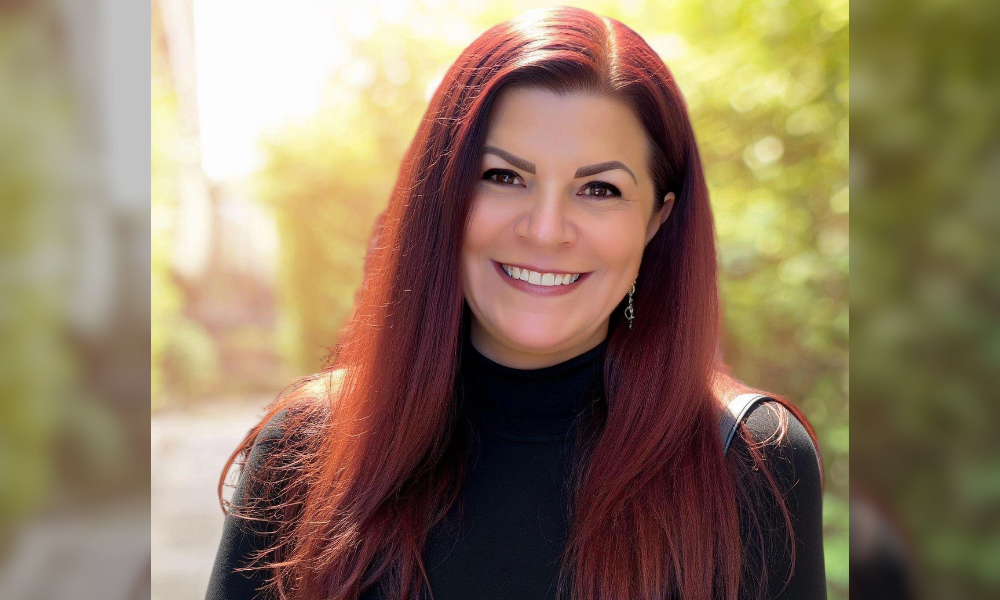
NAP Welcomes Sarah EchoHawk as Managing Director
We are excited to welcome Sarah EchoHawk (Pawnee) as the Managing Director of Native Americans in Philanthropy.
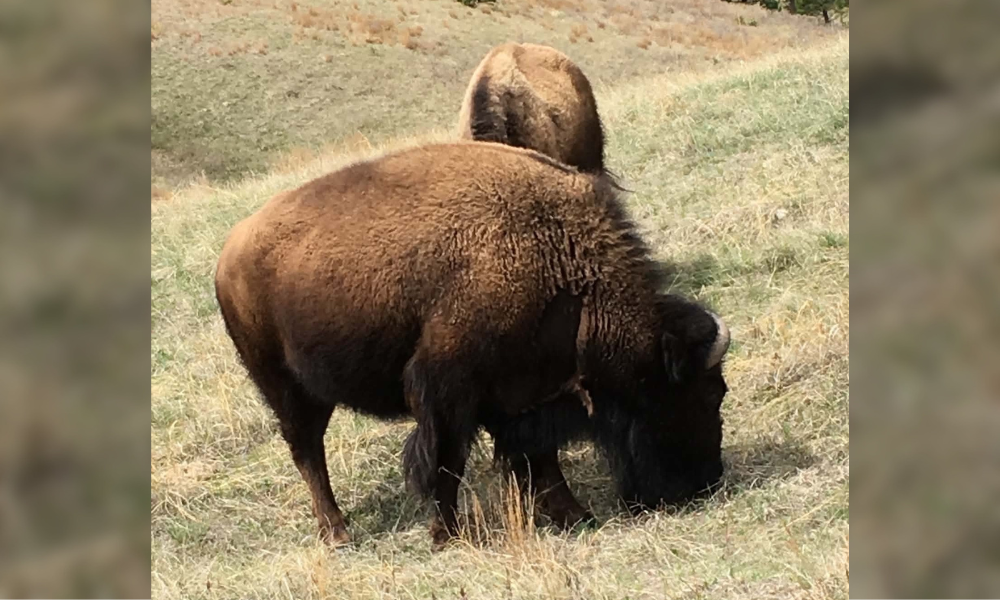
Restoring Buffalo, Restoring a Way of Life: The Knife Chief Buffalo Nation Society
The Lakota philosophy continues through the work of the Knife Chief Buffalo Nation Society, a community-led effort restoring buffalo, culture, spirituality, and connections between generations.
.jpg)
Indigenous Tomorrows Fund Expands in Year Two With $1.65 Million Investment in Youth-Led Grantmaking
Native Americans in Philanthropy, Newman’s Own Foundation, and Novo Nordisk are thrilled to announce the recipients of the 2025 Indigenous Tomorrows Fund (ITF) grants.
.jpg)
The Indigenous Tomorrows Fund: 2026 Grant Applications Now Closed!
Native Americans in Philanthropy, Newman’s Own Foundation, and Novo Nordisk are thrilled to announce the recipients of the 2025 Indigenous Tomorrows Fund (ITF) grants.
.jpg)
Native Youth Grantmakers at NAPCON26
The 2026 Native Youth Grantmakers (NYG) convened together for the first time on the homelands of our Coast Salish relatives. Beyond gaining new relatives and networking at every turn, the retreat’s agenda included courses in personal development, cultural grounding, and exploring each participant’s role as members of their respective communities and their new place within the philanthropic sector.
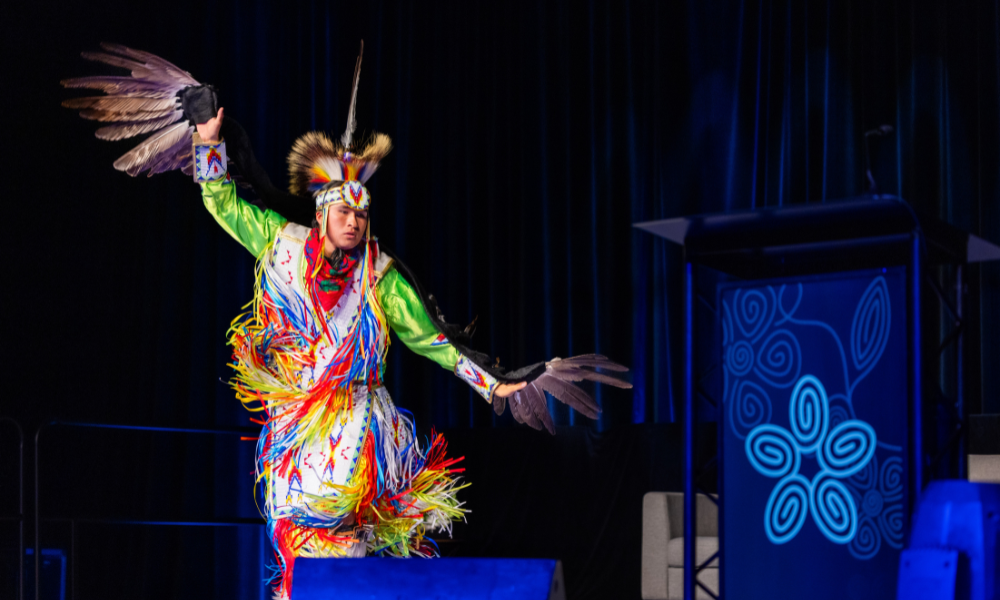
NAPCON26: Highlights From Our 2026 Annual Conference
Over three days in Riverside, California, Native leaders, funders, organizers, and community members gathered for the Native Americans in Philanthropy 2026 Annual Conference.
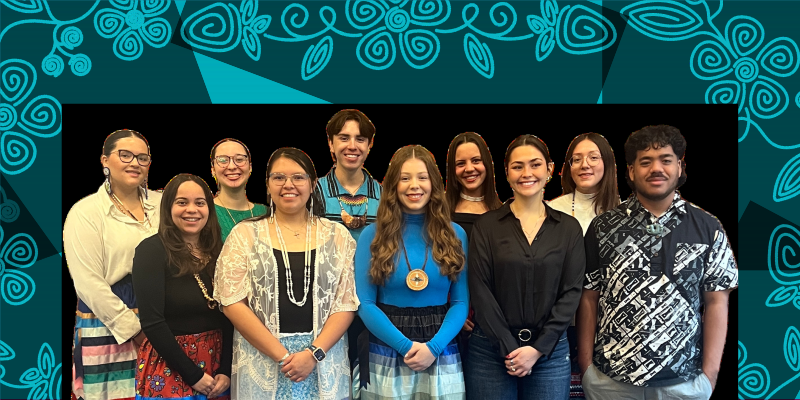
Native Youth Grantmakers in Seattle
The 2026 Native Youth Grantmakers (NYG) convened together for the first time on the homelands of our Coast Salish relatives. Beyond gaining new relatives and networking at every turn, the retreat’s agenda included courses in personal development, cultural grounding, and exploring each participant’s role as members of their respective communities and their new place within the philanthropic sector.
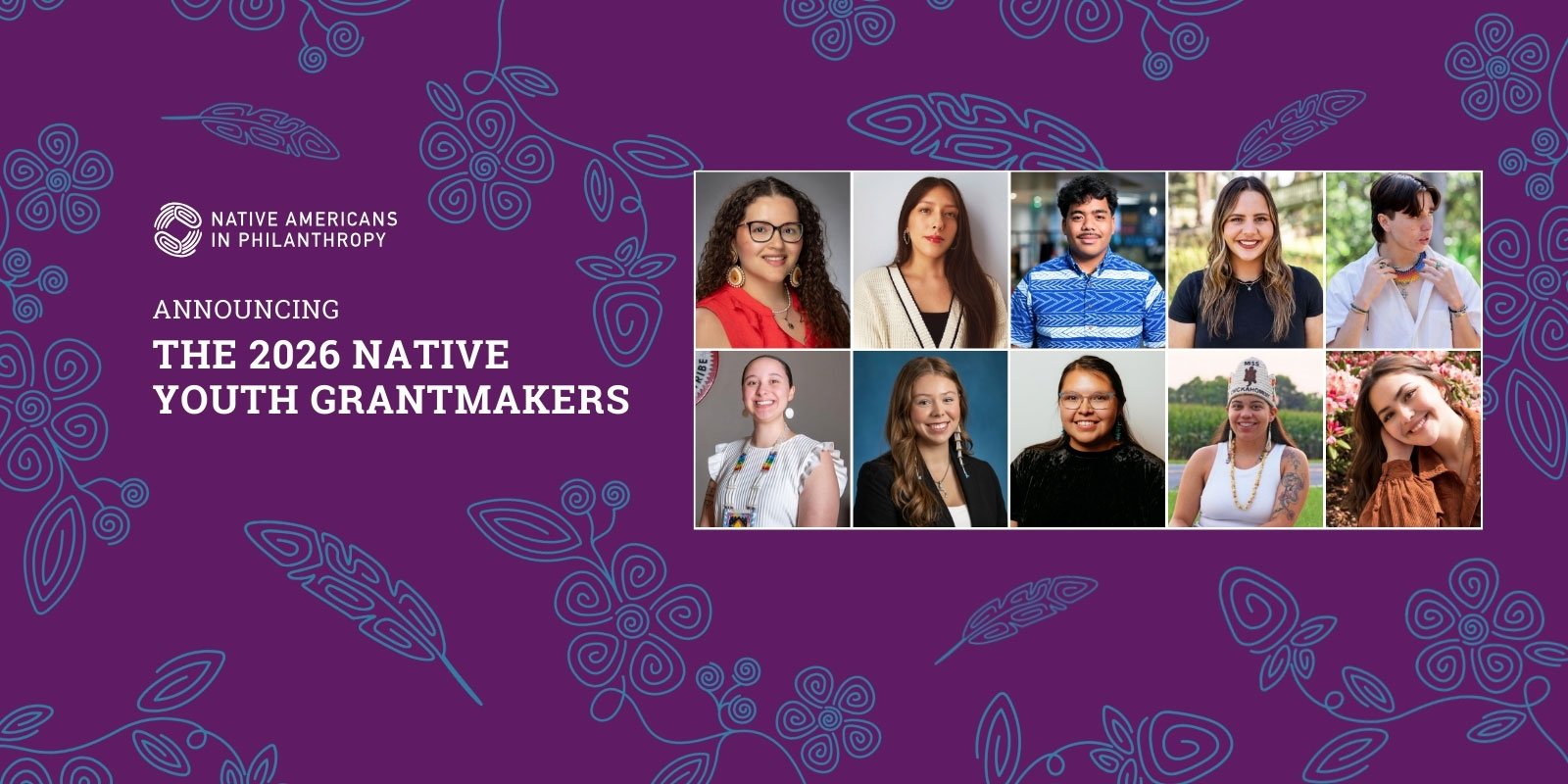
Native Americans in Philanthropy Announces Third Cohort of Native Youth Grantmakers
Native Americans in Philanthropy (NAP) is thrilled to announce the 2025-2026 Native Youth Grantmakers. These extraordinary and highly accomplished young individuals are the embodiment of passion, excellence, and a deep commitment to making a positive difference in their communities. As we welcome this new cohort, we celebrate their achievements, their futures, and their dedication to advancing Native-led philanthropy.
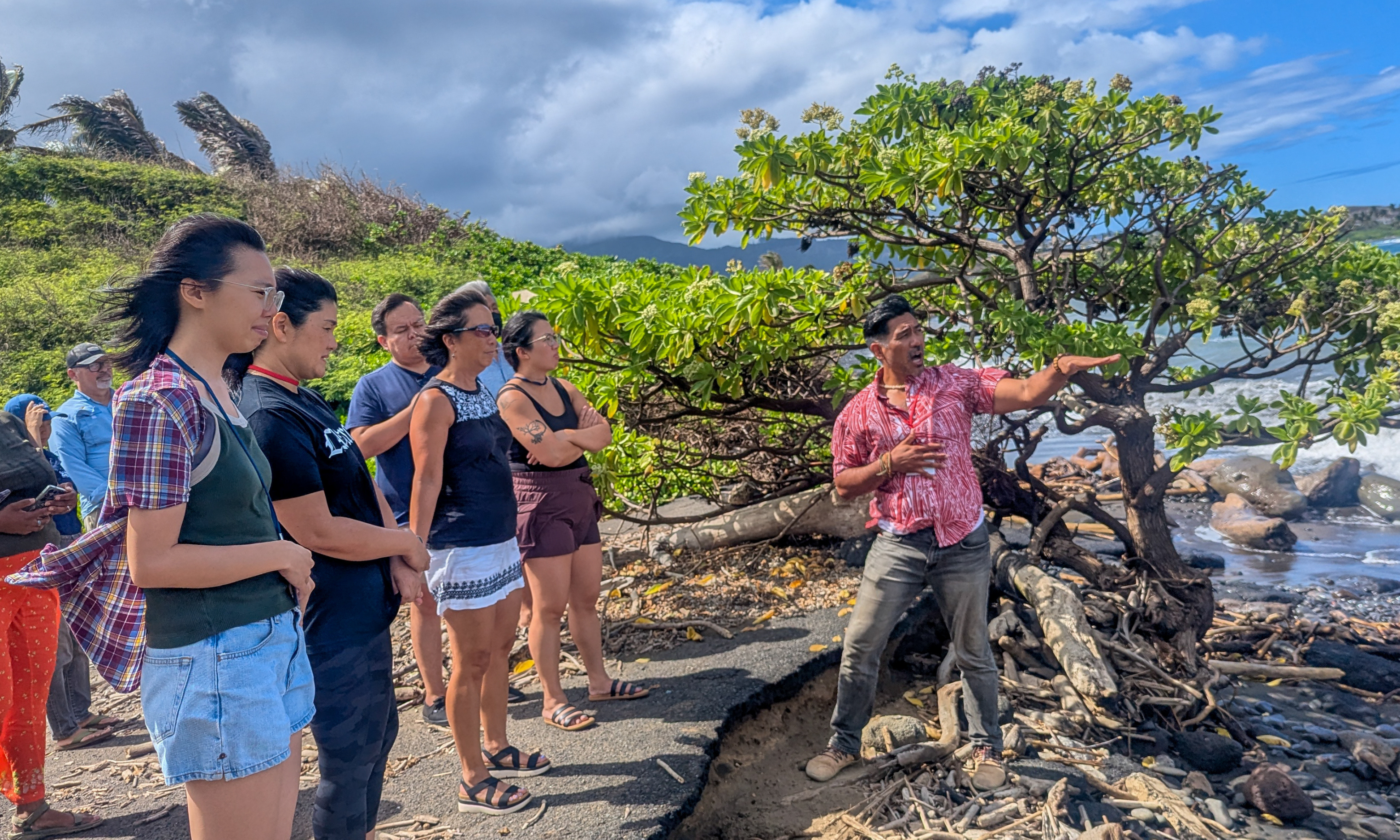
Standing Hand-in-Hand: Reflections on Reclamation, Partnership, and Possibility in Hawaiʻi
Native Hawaiian Philanthropy, Native Americans in Philanthropy, and Asian Americans/Pacific Islanders in Philanthropy came together for the Power in Solidarity: Hawaiʻi Funder Tour