Tribal Relations 101 for State Legislators
Event Description
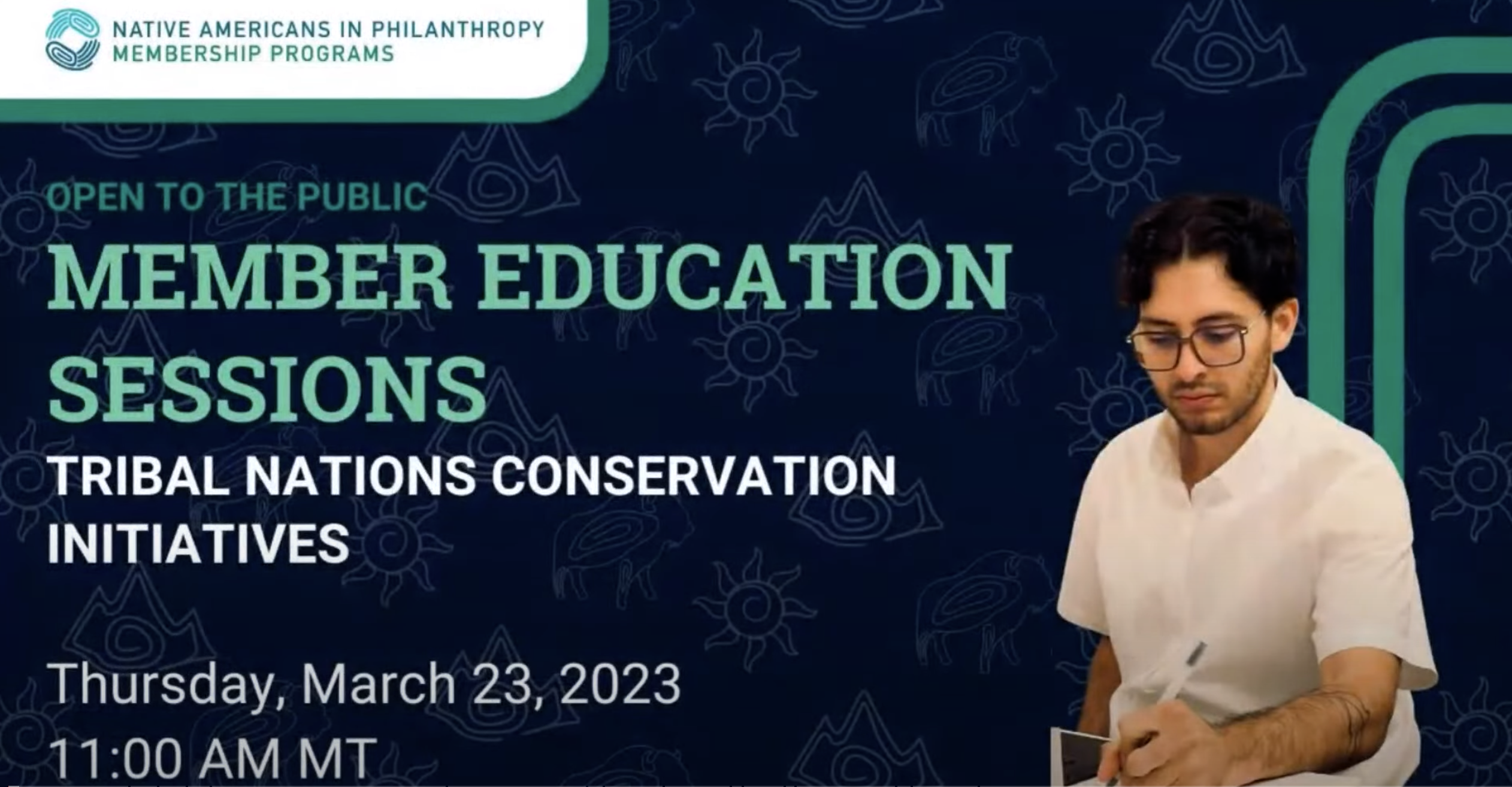
Native Americans in Philanthropy (NAP) and the National Caucus of Environmental Legislators (NCEL) have joined forces in an effort to enhance collaboration between philanthropic funders, Tribal leaders, and state officials. Together, NAP’s unparalleled expertise in leveraging private investment for Tribal-led conservation and NCEL’s expansive network of environmentally-minded state lawmakers will build a bridge between the public and private sectors and create a powerful network working together for the betterment of the environment. Join us as we build connections between private philanthropic funders, regional funding networks, Tribes, and state officials. This is the first of three learning opportunities for state legislators. This session will help state legislators build a foundation of knowledge around how states can best center Tribal priorities in policymaking and the responsibility states have as treaty partners to uphold Tribal sovereignty.
Watch the broadcast now on NAP’s YouTube Channel and be sure to subscribe to the NAP YouTube channel for more informative and important resources on Native communities.
About Our Speakers
Peggy Flanagan is Minnesota’s 50th Lieutenant Governor, a member of the White Earth Band of Ojibwe, and currently the country’s highest ranking Native woman elected to executive office. At the center of all her work is making progress for children, working families, communities of color and Indigenous communities, and Minnesotans who have historically been underserved and underrepresented. In 2015, Peggy Flanagan was elected to the Minnesota House of Representatives, serving her own community of St. Louis Park, as well as Golden Valley, Plymouth, and Medicine Lake. A member of the White Earth Band of Ojibwe, Peggy lives in St. Louis Park with her husband, Tom, her daughter, Siobhan, and their dog, Reuben.

Prof. Robert J. Miller (Eastern Shawnee Tribe) (he/him)
Sandra Day O’Connor College of Law at Arizona State University
View BioRobert J. Miller’s areas of expertise are Federal Indian Law, American Indians and international law, American Indian economic development, Native American natural resources, and Civil Procedure. He is an enrolled citizen of the Eastern Shawnee Tribe, the Interim Chief Justice for the Pascua Yaqui Tribe Court of Appeals, and sits as a judge for other Tribes. He is the Willard H. Pedrick Distinguished Research Scholar at ASU and the Faculty Director of the Rosette LLP American Indian Economic Development Program at ASU. In 2014 he was elected to the American Philosophical Society. The APS is the oldest learned society in the United States and was created by Benjamin Franklin in 1743. Thomas Jefferson served as president of the APS for seventeen years overlapping his time as president of the United States. The APS has only elected about 5,600 members in its 280-year history. Before joining ASU in 2013, Professor Miller was on the faculty of Lewis & Clark Law School from 1999-2013. Prior to his career in academia, he practiced Indian law with Hobbs, Straus, Dean & Walker, and practiced litigation with the Stoel Rives law firm. Following graduation from law school, he clerked for Judge Diarmuid O’Scannlain of the U.S. Court of Appeals for the Ninth Circuit. Professor Miller’s scholarly works include articles, books, and book chapters on a wide array of Federal Indian Law issues and Civil Procedure, and he speaks regularly on Indian Law issues across the U.S. and in other countries. He is the author of ”Native America, Discovered and Conquered: Thomas Jefferson, Lewis and Clark, and Manifest Destiny” (Praeger 2006), and ”Reservation Capitalism: Economic Development in Indian Country” (Praeger 2012). He co-authored “A Promise Kept: The Muscogee (Creek) Nation and McGirt v. Oklahoma” (forthcoming University of Oklahoma Press 2022); “Creating Private Sector Economies in Native America: Sustainable Development through Entrepreneurship'' (Cambridge University Press 2019); and “Discovering Indigenous Lands: The Doctrine of Discovery in the English Colonies” (Oxford University Press 2010). Professor Miller has worked as a consultant with the American Philosophical Society since 2006 on Tribal language and archival issues. He was elected to the American Law Institute in 2012.
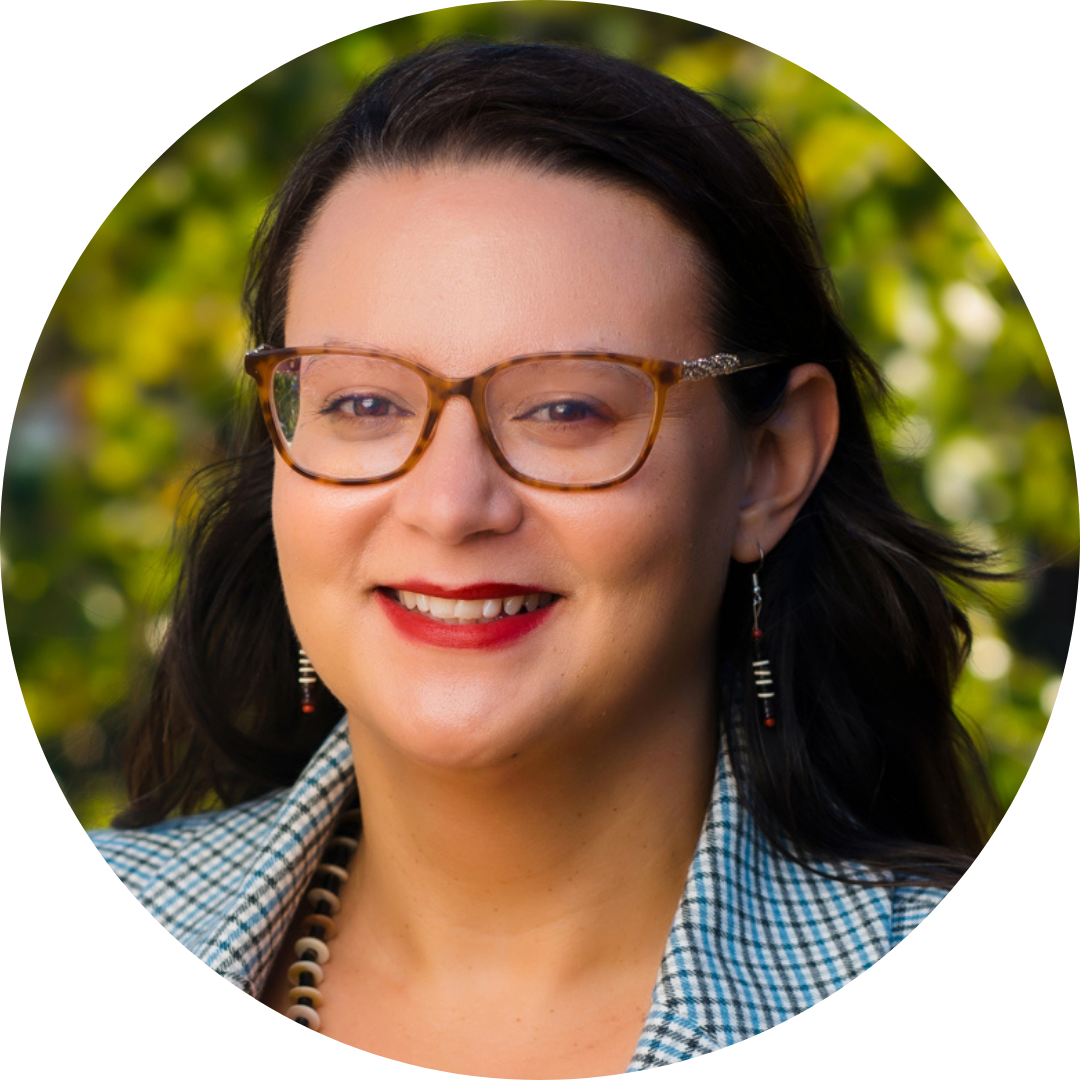
Brittany Schulman (Waccamaw Siouan) (she/her)
Senior Vice President of Programs, Native Americans in Philanthropy
View BioBrittany Schulman is an enrolled citizen of the Waccamaw Siouan Tribe and grew up in rural North Carolina. As a traditional storyteller, Brittany’s perspective is grounded in her experience growing up with her mother, siblings, and grandparents on their family farm and her Waccamaw Siouan community. Brittany is a lifelong learner and educator and integrates her Indigenous values into everyday life. She is a results-driven educator and public speaker with a track record of maximizing efforts through relationships. As an advocate, Brittany has served in many leadership roles to ensure that Native Americans and Indigenous values are not only included but also at the forefront in every conversation. Recognized for providing practical, sustainable solutions to business challenges with exceptional communication skills and project management with a passion for Indigenous peoples, Brittany is currently the Senior Vice President of Programs, where she continues her work as an organizer and educator. Brittany is married to a wonderfully supportive husband, Joseph (Leech Lake Ojibwe) and they have two children.
Stories & Updates
Changing the conversation.Get the latest NAP news.
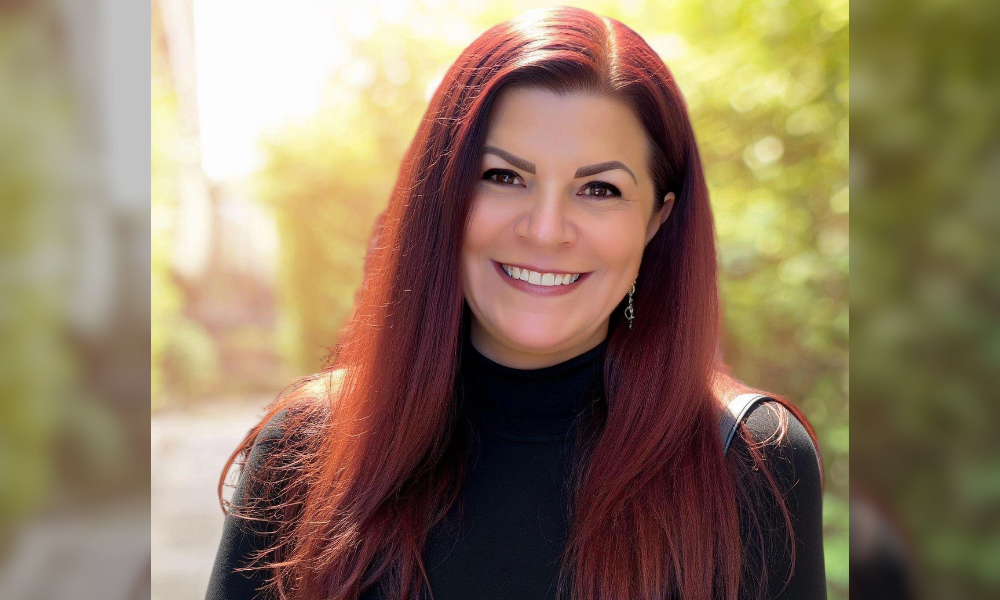
NAP Welcomes Sarah EchoHawk as Managing Director
We are excited to welcome Sarah EchoHawk (Pawnee) as the Managing Director of Native Americans in Philanthropy.
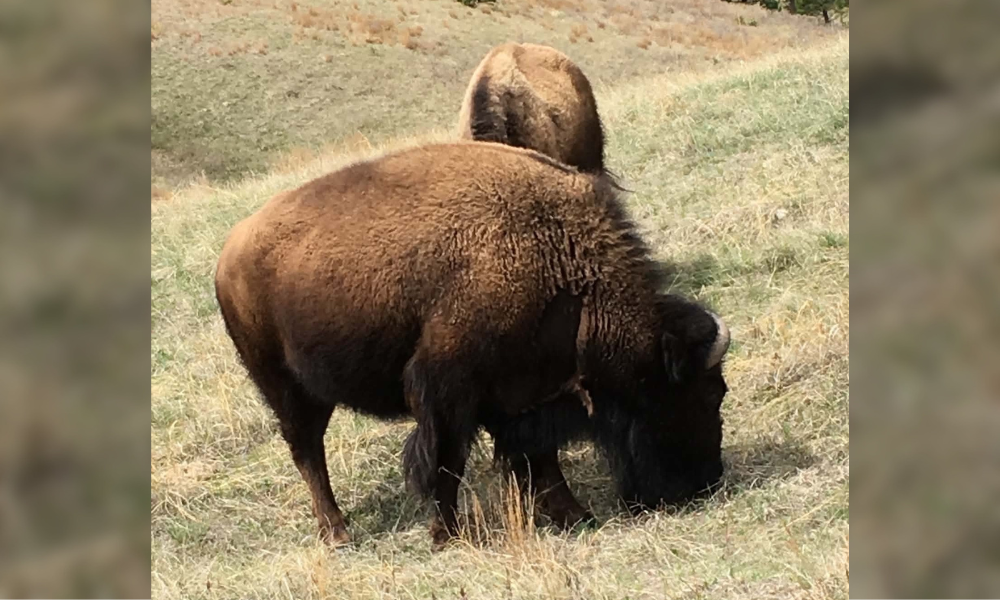
Restoring Buffalo, Restoring a Way of Life: The Knife Chief Buffalo Nation Society
The Lakota philosophy continues through the work of the Knife Chief Buffalo Nation Society, a community-led effort restoring buffalo, culture, spirituality, and connections between generations.
.jpg)
Indigenous Tomorrows Fund Expands in Year Two With $1.65 Million Investment in Youth-Led Grantmaking
Native Americans in Philanthropy, Newman’s Own Foundation, and Novo Nordisk are thrilled to announce the recipients of the 2025 Indigenous Tomorrows Fund (ITF) grants.
.jpg)
The Indigenous Tomorrows Fund: 2026 Grant Applications Now Closed!
Native Americans in Philanthropy, Newman’s Own Foundation, and Novo Nordisk are thrilled to announce the recipients of the 2025 Indigenous Tomorrows Fund (ITF) grants.
.jpg)
Native Youth Grantmakers at NAPCON26
The 2026 Native Youth Grantmakers (NYG) convened together for the first time on the homelands of our Coast Salish relatives. Beyond gaining new relatives and networking at every turn, the retreat’s agenda included courses in personal development, cultural grounding, and exploring each participant’s role as members of their respective communities and their new place within the philanthropic sector.
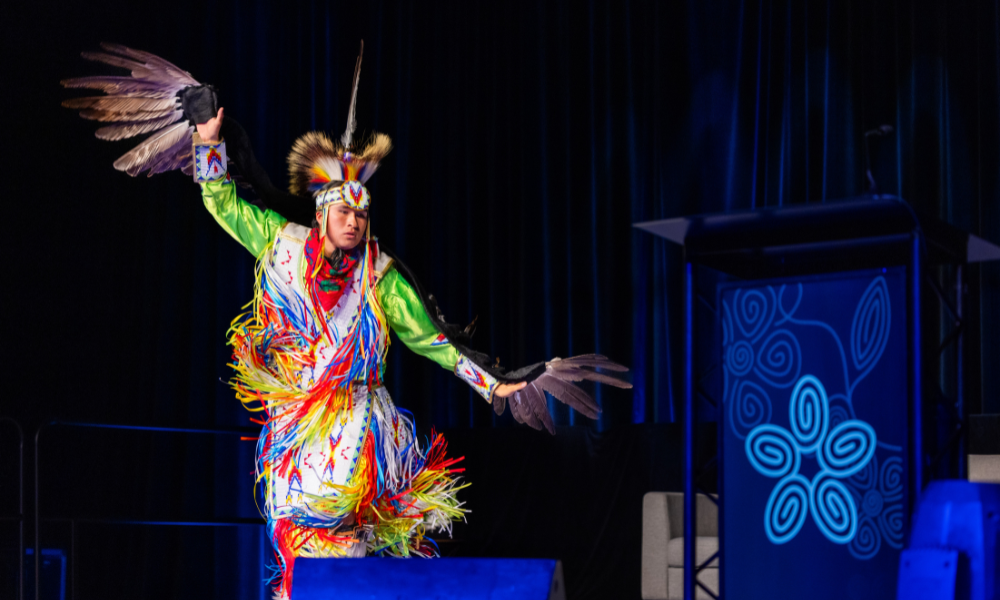
NAPCON26: Highlights From Our 2026 Annual Conference
Over three days in Riverside, California, Native leaders, funders, organizers, and community members gathered for the Native Americans in Philanthropy 2026 Annual Conference.
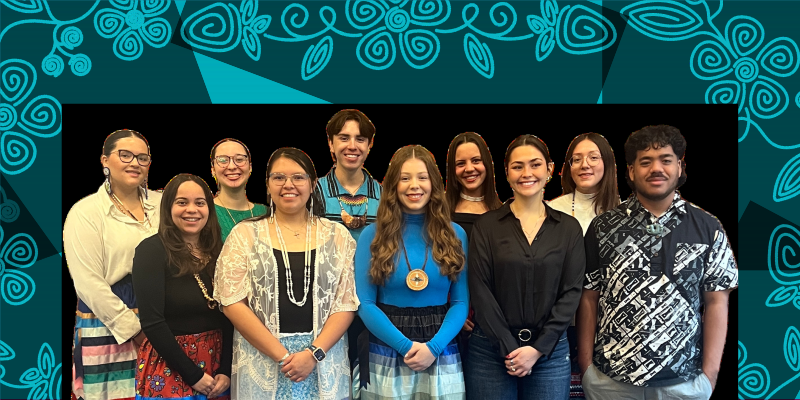
Native Youth Grantmakers in Seattle
The 2026 Native Youth Grantmakers (NYG) convened together for the first time on the homelands of our Coast Salish relatives. Beyond gaining new relatives and networking at every turn, the retreat’s agenda included courses in personal development, cultural grounding, and exploring each participant’s role as members of their respective communities and their new place within the philanthropic sector.
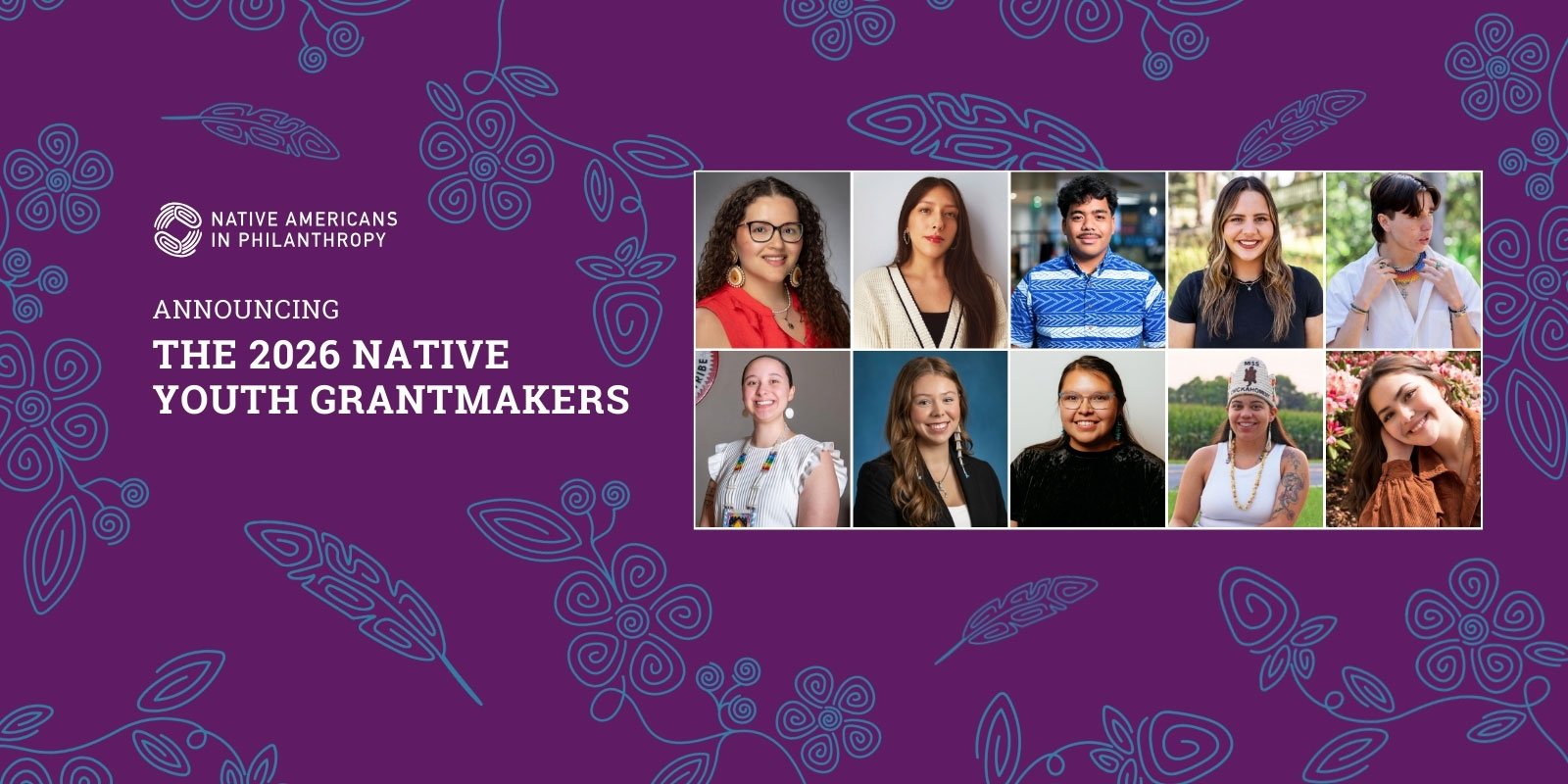
Native Americans in Philanthropy Announces Third Cohort of Native Youth Grantmakers
Native Americans in Philanthropy (NAP) is thrilled to announce the 2025-2026 Native Youth Grantmakers. These extraordinary and highly accomplished young individuals are the embodiment of passion, excellence, and a deep commitment to making a positive difference in their communities. As we welcome this new cohort, we celebrate their achievements, their futures, and their dedication to advancing Native-led philanthropy.
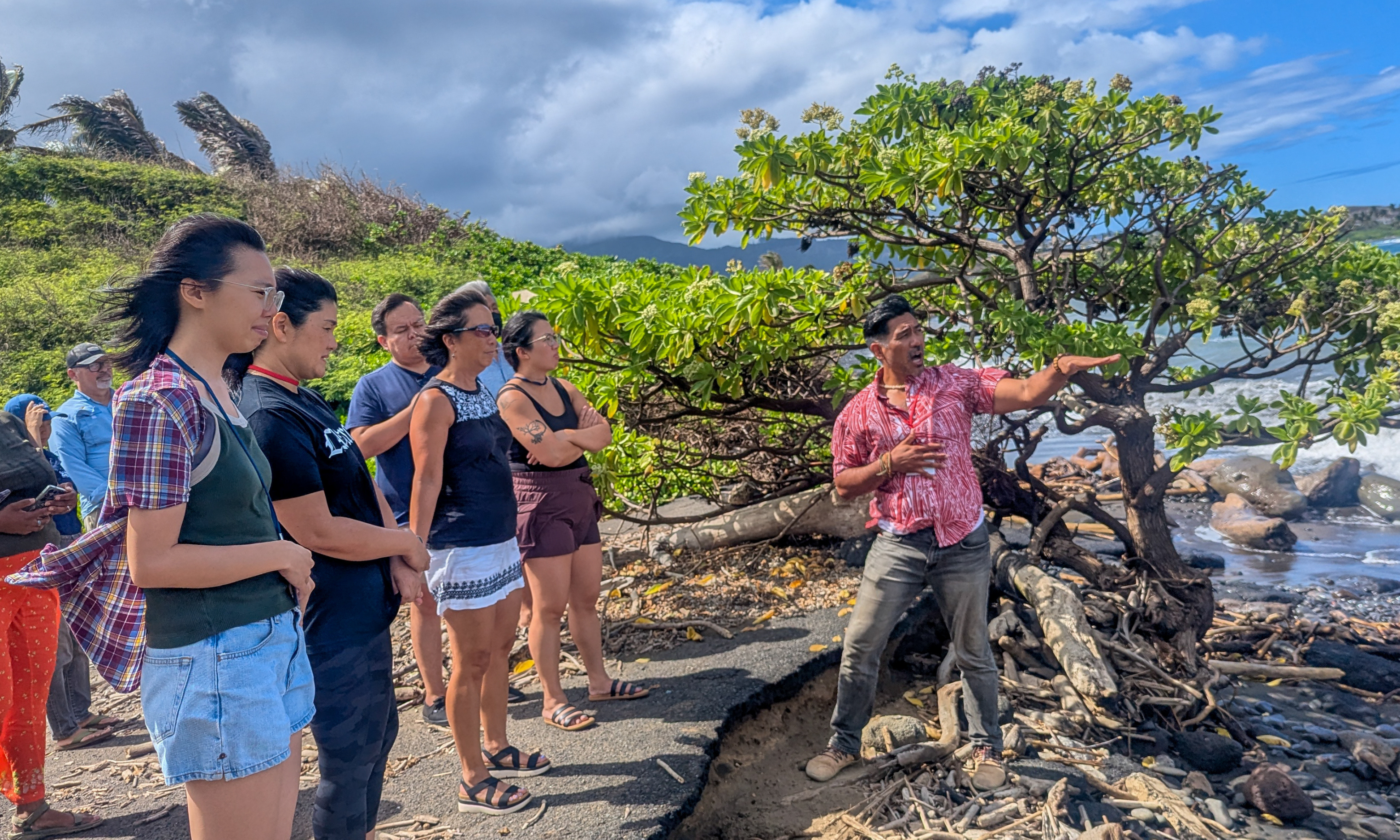
Standing Hand-in-Hand: Reflections on Reclamation, Partnership, and Possibility in Hawaiʻi
Native Hawaiian Philanthropy, Native Americans in Philanthropy, and Asian Americans/Pacific Islanders in Philanthropy came together for the Power in Solidarity: Hawaiʻi Funder Tour